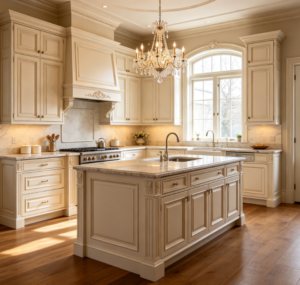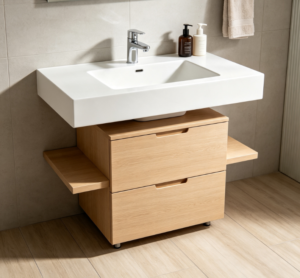
Choosing the right kitchen cabinet finish is about more than appearance. The finish affects how a kitchen reflects light, how easily surfaces can be cleaned, how visible fingerprints become, and how well the cabinets coordinate with countertops, backsplash tiles, flooring, and lighting.
Matte, glossy, lacquer, and acrylic are four common terms used when comparing modern kitchen cabinets. However, they do not describe exactly the same thing. Matte and glossy refer mainly to the level of surface sheen, while lacquer and acrylic describe different finish systems or surface materials. A lacquer finish, for example, can be matte or glossy.
Understanding these differences helps homeowners, designers, and property developers make better decisions for residential and commercial kitchen projects. This guide compares the main kitchen cabinet finishes, explains their practical advantages, and shows how to choose a suitable option for your overall interior design.
What Are the Main Types of Kitchen Cabinet Finishes?
A kitchen cabinet typically consists of a core material, a surface finish, and edge treatments. These components work together to determine the cabinet’s appearance, durability, and maintenance requirements.
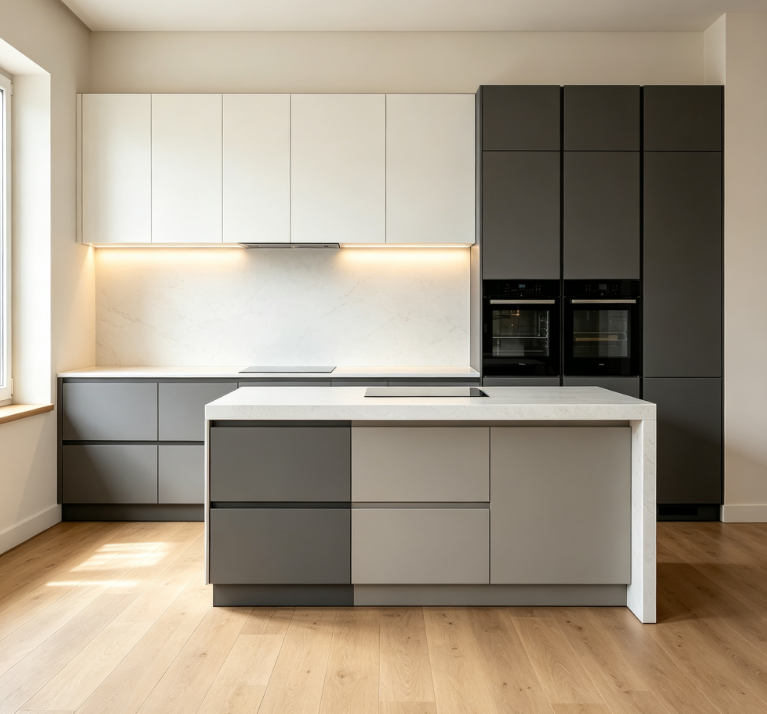
Matte finishes have a low-sheen surface that reflects relatively little light. They create a soft, understated appearance and are frequently used in contemporary, minimalist, and Scandinavian-inspired kitchens.
Glossy finishes reflect more light and produce a brighter, more polished appearance. They can help a compact kitchen feel visually lighter, particularly when paired with light-colored cabinets and effective lighting.
Lacquer finishes are created by applying a coating to a cabinet surface. Depending on the coating system and application, the result can be matte, satin, or high-gloss. Lacquer is often selected for its color flexibility and smooth appearance.
Acrylic finishes commonly use an acrylic surface layer or panel system to create a smooth, consistent finish. They are popular in modern kitchens, especially where clean lines and a uniform appearance are priorities.
These categories can overlap. For example, a kitchen cabinet may have a matte lacquer finish or a glossy acrylic surface. When comparing products, check the actual surface material, substrate, edge treatment, and manufacturer specifications rather than relying on the finish name alone.
Matte Kitchen Cabinets: A Soft, Modern Look
Matte kitchen cabinets are a popular choice for interiors that prioritize simplicity, subtle textures, and a calm visual atmosphere. Their low-reflective surfaces reduce glare and help cabinet colors appear consistent under different lighting conditions.
Advantages of matte finishes
Matte surfaces work well with natural materials such as wood, stone, and textured tiles. They can create a balanced contrast with polished countertops or metallic hardware without making the kitchen feel overly reflective.
Fingerprints and minor reflections may be less noticeable on some matte finishes than on high-gloss surfaces. This can be useful in busy family kitchens where cabinet doors are opened frequently.
Matte cabinets also suit a wide range of colors, including warm white, beige, gray, olive green, and charcoal. These shades can be combined with wood-grain details or natural stone to create a contemporary but welcoming interior.
What should you consider?
Matte does not automatically mean stain-resistant or easy to clean. Some textured or soft-touch surfaces may retain grease marks, while certain coatings can become shiny in frequently handled areas over time.
Cleaning performance depends on the specific material and its surface treatment. Before choosing a finish, ask the manufacturer about suitable cleaning products, resistance to common kitchen stains, and how to remove grease without damaging the surface.
Matte cabinets are especially suitable for homeowners seeking a restrained, modern appearance, but the exact product should be evaluated for the kitchen’s expected level of use.
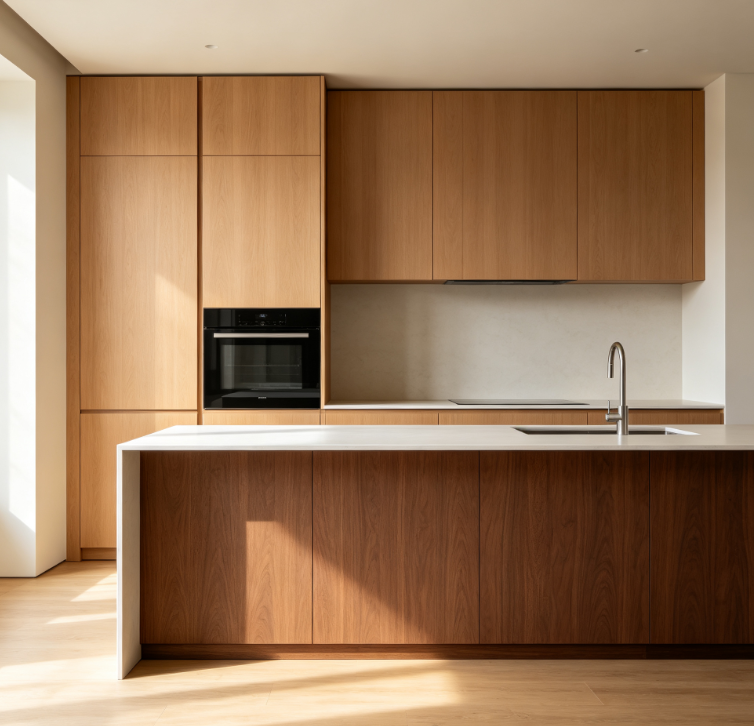
Glossy Kitchen Cabinets: Brightness and Visual Impact
Glossy kitchen cabinets have a reflective surface that can make the kitchen look brighter and more polished. They are often used in contemporary apartments, compact kitchens, and interiors where a clean, streamlined appearance is preferred.
Advantages of glossy finishes
Because glossy surfaces reflect light, they can help distribute existing natural or artificial light throughout a room. White, cream, and other light-colored glossy cabinets may make a small kitchen feel more open, although the actual effect depends on the room’s layout, lighting, and surrounding colors.
Glossy cabinets also provide a smooth visual contrast against matte walls, textured backsplash tiles, or natural stone countertops. When used consistently, they can create a coordinated, modern design.
Many glossy cabinet systems have relatively smooth surfaces that are straightforward to wipe down. This can be helpful when removing everyday dust or splashes, provided the cleaning method is appropriate for the product.
What should you consider?
Reflections can make fingerprints, water marks, smudges, and surface scratches more noticeable, particularly on darker glossy cabinets. Kitchens with frequent cooking or heavy daily use may require more regular wiping to maintain a uniform appearance.
Lighting also deserves careful attention. Strong reflections from windows, pendant lights, or under-cabinet lighting may create glare if the cabinet layout and light positions are not coordinated.
Glossy finishes are worth considering when brightness and a polished appearance are priorities. However, compare actual samples under the lighting conditions expected in the finished kitchen rather than making a decision from photographs alone.
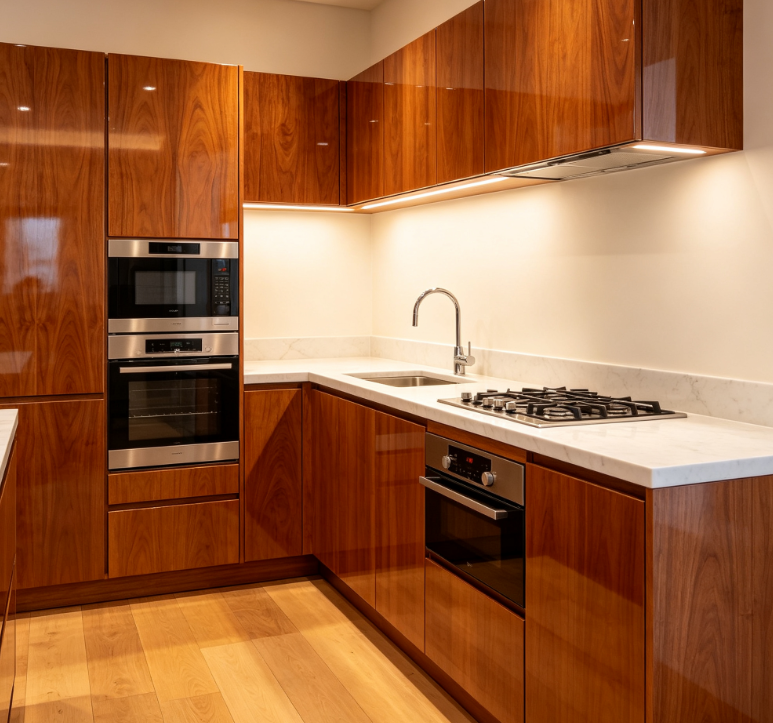
Lacquer Kitchen Cabinets: Color and Finish Flexibility
Lacquer kitchen cabinets are valued for their smooth appearance and flexibility in color and sheen. Depending on the coating system, lacquer can produce a matte, satin, or high-gloss result, making it suitable for a wide range of kitchen styles.
Advantages of lacquer finishes
One major advantage is design flexibility. Lacquered cabinet fronts can be specified in different colors to match a project’s interior palette, from neutral shades to more distinctive colors used in contemporary residential or hospitality spaces.
A well-applied lacquer finish can create a consistent surface that supports a refined, coordinated design. It works particularly well when cabinet colors need to align with wall finishes, stone countertops, metal details, or other interior elements.
Lacquer may also be considered for projects that require a particular combination of color and sheen. Rather than assuming that every lacquered cabinet looks glossy, clarify the desired finish level with the manufacturer.
What should you consider?
The performance of lacquer depends on the coating formulation, preparation, application process, substrate, and curing conditions. Products described as lacquered may therefore differ in scratch resistance, chemical resistance, repairability, and long-term appearance.
Before ordering, ask for information about the specific coating system, recommended cleaning products, and warranty coverage. Confirm how the manufacturer evaluates resistance to moisture, heat, and everyday kitchen stains.
Lacquer can be a strong option when color coordination and finish flexibility are important, but its suitability should be judged by the complete cabinet specification rather than the term alone.
Acrylic Kitchen Cabinets: Smooth Surfaces and Contemporary Style
Acrylic kitchen cabinets are commonly chosen for their smooth, consistent surface and modern appearance. They are frequently associated with streamlined cabinet designs, handleless doors, and simple color palettes.
Advantages of acrylic finishes
Acrylic cabinet surfaces can provide a uniform color and a clean visual finish. Depending on the product range, options may include high-gloss and other surface effects, allowing the cabinets to fit different contemporary design schemes.
Acrylic finishes can coordinate well with engineered stone, natural marble, ceramic tiles, and simple metal hardware. They are often used where the overall kitchen design emphasizes straight lines and a visually uncluttered appearance.
The surface is generally designed to be easy to maintain using suitable cleaning methods. However, performance varies between products, so care instructions should always be checked before use.
What should you consider?
Acrylic is not a guarantee of identical quality across all cabinet systems. The panel construction, substrate, bonding method, edge finishing, and hardware all affect the finished product.
Inspect cabinet edges and corners carefully, especially around sinks, dishwashers, and other areas exposed to moisture. Ask whether the surface can be repaired if scratched and whether replacement doors or panels are available if damage occurs.
Acrylic cabinets can be a practical choice for a modern kitchen, provided the selected system matches the project’s performance requirements as well as its visual goals.
Matte vs Glossy vs Lacquer vs Acrylic: What Should You Compare?
The most useful comparison starts with the kitchen’s requirements rather than a simple ranking of finishes.
Appearance and light reflection: Matte surfaces create a subdued look, while glossy finishes reflect more light. Lacquer can provide either effect, and acrylic systems may offer different sheen options depending on the product.
Cleaning and fingerprints: Glossy surfaces can make fingerprints and smudges more visible, while some matte surfaces conceal minor marks better. Neither finish is automatically easier to maintain. Surface texture, color, and cleaning instructions all matter.
Durability: Do not assume that acrylic is always more durable than lacquer, or that matte surfaces are less durable than glossy ones. Compare the specific products’ resistance to scratches, stains, moisture, and household cleaning agents.
Design flexibility: Lacquer may offer a broad choice of colors and sheen levels. Acrylic systems can provide a consistent contemporary appearance, while matte and glossy options describe the visual effect you want to achieve.
Maintenance and repair: Ask how the surface should be cleaned, whether minor damage can be repaired, and what happens if a door or panel needs replacement. These considerations become particularly important in rental properties, serviced apartments, and other kitchens that experience frequent use.
Overall cabinet construction: The finish is only one part of the product. Core material, door thickness, hinges, drawer runners, edge treatment, installation quality, and moisture protection also influence long-term performance.
When comparing quotations, make sure the specifications describe equivalent products. Two cabinets with the same finish name may have different constructions, warranties, and maintenance requirements.
How to Match Cabinet Finishes with Countertops, Tiles and Lighting
Kitchen cabinets should be selected as part of the complete interior scheme. Even an attractive cabinet finish can look out of place if its color, reflectivity, or texture conflicts with the other materials in the room.
Start with the countertop and backsplash. Matte cabinets can work well with polished stone because the contrast adds visual interest. Glossy cabinets may be balanced with textured ceramic tiles or a more subdued countertop to prevent excessive reflection. Lacquer and acrylic finishes can be coordinated with either approach, depending on their sheen and color.
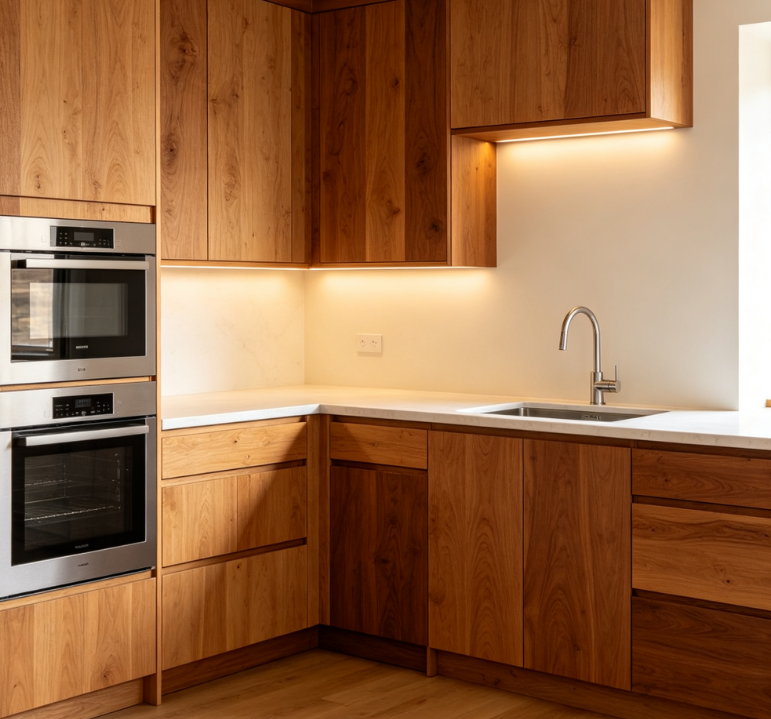
Next, consider the floor and wall finishes. Wood-look surfaces can introduce warmth into a kitchen with smooth contemporary cabinets, while stone-look tiles can create a more unified material palette. For open-plan apartments, coordinating cabinet colors with nearby living and dining areas helps maintain a consistent interior design.
Lighting is equally important. Natural daylight can change how cabinet colors appear throughout the day, while warm and cool artificial lighting can influence their perceived tone. Review samples under the planned lighting wherever possible.
Finally, consider the overall use of the space. A family kitchen, a compact apartment kitchen, and a kitchen in a commercial or hospitality project may have different priorities for cleaning, durability, and replacement.
George Group provides a range of interior materials, including kitchen-related finishes, tiles, lighting, and stone options. Planning these elements together can help create a more cohesive result across the entire project.
Common Mistakes When Choosing Kitchen Cabinet Finishes
One common mistake is choosing a finish from a small sample or online photograph without checking it in the actual room. Colors and reflections can change considerably with lighting and surrounding materials.
Another mistake is assuming that the finish name tells you everything about durability. Matte, glossy, lacquer, and acrylic describe different characteristics, and none should replace a review of the product’s technical specifications.
Ignoring cabinet edges and construction can also lead to problems. Areas near sinks and appliances may be exposed to moisture, while heavily used doors and drawers need suitable hardware and surface protection.
Some buyers also prioritize appearance without considering cleaning routines. A dramatic dark glossy kitchen may look impressive, but it may require more frequent wiping to keep visible smudges under control.
Before making a final decision, compare physical samples, confirm maintenance requirements, review the complete cabinet specification, and coordinate the finish with the countertop, backsplash, flooring, and lighting.
Kitchen Cabinet and Interior Solutions from George Group
Choosing kitchen cabinet finishes is easier when the cabinets are considered alongside the other materials that shape the room. Countertops, tiles, lighting, doors, and surrounding interior finishes all contribute to the final appearance and everyday usability.
George Group supports residential and commercial interior projects with a range of building materials and interior solutions. Depending on the project requirements, customers can explore kitchen cabinet options alongside related materials and receive design support for a more coordinated interior. Interior decoration can also be considered when required.
For a complete project, this approach helps align material selection with the overall design direction instead of making isolated product decisions. You can explore George Group’s kitchen cabinet options and broader one-stop interior solutions to plan materials for your space.
Conclusion
The best kitchen cabinet finish depends on your preferred appearance, cleaning expectations, lighting, and project requirements. Matte finishes offer a softer look, glossy surfaces create stronger reflections, lacquer provides flexibility in color and sheen, and acrylic systems are often chosen for their smooth, contemporary appearance. Because these categories can overlap, compare the actual materials and specifications before deciding. Coordinating cabinet finishes with countertops, tiles, and lighting will help create a kitchen that looks cohesive and works well for everyday use.