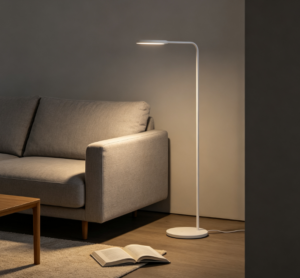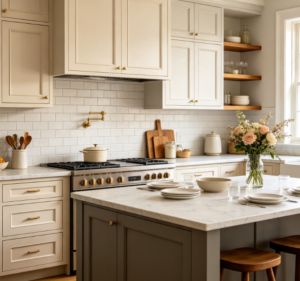
Planning an interior project involves much more than choosing attractive furniture or high-quality building materials. Whether you are developing a luxury villa, renovating an apartment, furnishing a hotel, designing an office, or completing a school project, multiple products, services, and suppliers may be involved.
A typical project may require furniture, kitchen cabinets, flooring, lighting, marble and stone, doors and windows, bathroom products, and other interior materials. If every category is handled by a different supplier, project owners may have to manage numerous conversations, quotations, production schedules, quality requirements, and delivery arrangements.
This is where a one-stop interior solution provider can make a significant difference.
Instead of sourcing every product separately, an integrated provider can connect interior design, 3D visualization, building materials sourcing, custom manufacturing, logistics, installation support, and after-sales service within one project workflow.
But not every company offering multiple products can truly provide a complete one-stop solution. Before choosing a provider, it is important to understand what services, capabilities, and project support you should expect.
What Is a One-Stop Interior Solution Provider?
A one-stop interior solution provider is a company that helps coordinate multiple aspects of an interior project through one integrated service.
It is more than simply being a supplier with a large product catalog.
A complete one-stop interior solution may include:
- Interior design and consultation
- 3D interior visualization
- Building materials sourcing
- Custom furniture
- Customized interior products
- Manufacturing coordination
- Quality inspection
- Logistics and delivery
- Installation support
- After-sales service
The main advantage is simple: instead of managing many independent suppliers, the project owner has one primary partner coordinating different products and services.
For international projects, this integrated approach can be particularly valuable because communication, product sourcing, quality control, and logistics can otherwise become complicated.
What Types of Projects Can a One-Stop Solution Provider Support?
A capable interior solution provider should not be limited to one type of property. Different projects have different requirements, but the same integrated sourcing and coordination capabilities can support a wide range of spaces.
Residential Interior Projects
Residential projects may include:
- Villas
- Apartments
- Private houses
- Whole-house renovations
For residential projects, the focus is often on creating a comfortable and personalized living environment. Furniture, flooring, lighting, kitchen cabinets, bathroom products, doors, windows, and decorative materials need to work together as part of one overall design.
A residential interior solution should therefore combine aesthetics, functionality, customization, and material coordination.
Commercial Interior Projects
Commercial projects may include:
- Hotels
- Restaurants
- Offices
- Retail spaces
- Commercial buildings
Compared with residential projects, commercial interiors often have additional requirements related to durability, functionality, brand identity, project schedules, and larger quantities.
A professional commercial interior solution provider should understand these requirements and coordinate products accordingly.
Institutional and Public Projects
One-stop interior solutions can also support projects such as:
- Schools
- Hospitals
- Educational facilities
- Other institutional projects
These projects may require consistent specifications, practical materials, larger-scale sourcing, and carefully coordinated delivery.
The ability to manage different product categories under one project framework can help simplify these requirements.

What Services Should a One-Stop Interior Solution Provider Offer?
Before selecting an interior solution provider, it is important to look beyond the product catalog.
A complete service should cover the major stages of an interior project.
Interior Design and Consultation
The process should begin with understanding the project itself.
A professional team should be able to discuss:
- Project requirements
- Space planning
- Interior styles
- Functional needs
- Material preferences
- Budget considerations
This helps ensure that product recommendations are connected to the actual project instead of being selected independently.
3D Interior Visualization
For many projects, 3D visualization is an important part of the decision-making process.
A 3D interior design can help clients understand:
- Furniture arrangement
- Color combinations
- Material selection
- Lighting effects
- Spatial relationships
- Overall interior atmosphere
This allows clients to review the design direction before customized products enter production.
For overseas clients, 3D interior visualization can be especially useful because it provides a clearer way to communicate design expectations remotely.
Building Materials Sourcing
A complete building materials supplier should ideally be able to coordinate multiple categories rather than specialize in only one product.
Depending on the project, sourcing may include:
- Flooring
- Marble and stone
- Doors and windows
- Lighting
- Bathroom products
- Kitchen cabinets
- Furniture
- Decorative materials
The benefit is not simply having more products available. The real value comes from coordinating these products according to the project’s design and functional requirements.
Custom Furniture and Manufacturing
Not every project can be completed with standard products.
Custom manufacturing may be required for:
- Kitchen cabinets
- Wardrobes
- Storage systems
- Tables
- Cabinets
- Other furniture
Customization can involve dimensions, materials, colors, finishes, functions, and design details.
A capable interior solution provider should be able to connect the design concept with actual manufacturing requirements.
Logistics and Delivery
For international projects, logistics is another important consideration.
After products are sourced or manufactured, they need to be properly:
- Packed
- Consolidated
- Inspected
- Shipped
- Delivered
Coordinating different products through one project partner can make international building materials sourcing easier to manage.
Installation and After-Sales Support
The relationship should not necessarily end when products leave the factory.
Depending on the project, support may include:
- Installation coordination
- Installation guidance
- Product inspection
- Issue communication
- Replacement or repair coordination
This is particularly important for overseas clients who cannot personally manage every stage of the project.

What Products Can a One-Stop Interior Supplier Provide?
The exact product range varies by provider, but a comprehensive interior solution can cover many areas of a property.
Living Areas
Living spaces may require:
- Furniture
- Sofas
- Tables
- Flooring
- Lighting
- Doors
- Windows
These elements should be selected as part of the overall interior concept.
Kitchen and Dining Areas
A complete kitchen solution may include:
- Kitchen cabinets
- Countertops
- Storage systems
- Dining furniture
- Lighting
Custom kitchen solutions can help optimize both appearance and functionality.
Bedrooms and Storage
Bedroom solutions may include:
- Beds
- Wardrobes
- Custom furniture
- Storage units
- Flooring
- Lighting
Customization is particularly useful when rooms have unusual dimensions or specific storage requirements.
Bathrooms
Bathroom products may include:
- Bathroom vanities
- Mirrors
- Mirror cabinets
- Sanitary ware
- Shower solutions
- Storage units
These products should coordinate with the overall style and material palette of the project.
Architectural and Decorative Materials
Other categories may include:
- Marble
- Granite
- Tiles
- Doors and windows
- Decorative metal and glass systems
- Other architectural materials
The wider the project requirements, the more valuable integrated sourcing can become.
图片
Why Is One Supplier Better Than Managing Multiple Suppliers?
The main benefit of working with one integrated provider is not necessarily that every product will be cheaper. The real advantage is simplifying project coordination.
Simplify Communication and Project Coordination
When furniture, lighting, flooring, bathroom products, doors, windows, and kitchen cabinets come from separate suppliers, the client has to communicate with each company individually.
Every supplier may have different:
- Product specifications
- Production schedules
- Communication methods
- Quality standards
- Payment arrangements
A one-stop interior solution provider creates a central point of communication for the project.
This can reduce the amount of coordination required from the client and make it easier to track the overall project.
Maintain a More Consistent Interior Design
Different suppliers may interpret design requirements differently.
One furniture supplier may focus on its own products, while a lighting supplier or flooring supplier may have a completely different approach.
As a result, colors, materials, finishes, and styles may not always work together.
An integrated interior design and building materials solution allows product selection to follow one overall design direction.
This helps maintain greater consistency across different rooms and product categories.
Make Sourcing and Delivery More Efficient
Multiple suppliers can also mean multiple production schedules and multiple shipping arrangements.
An integrated provider can coordinate the process from:
Product Selection → Customization → Production → Quality Inspection → Consolidated Delivery
This can make the sourcing process easier to understand and manage, especially for international interior projects.
How to Evaluate a One-Stop Interior Solution Provider?
Choosing the right provider requires more than checking the number of products they sell.
Here are several factors worth considering.
1. Does the Company Provide Interior Design?
A company that understands your design requirements can make better product recommendations than a supplier focused only on individual products.
Ask whether the team can provide design consultation and understand the relationship between space, materials, furniture, and functionality.
2. Can They Provide 3D Visualization?
Ask whether you can review your interior concept in 3D before customized products are manufactured.
This can help reduce misunderstandings and allow design adjustments at an earlier stage.
3. How Many Product Categories Can They Coordinate?
A useful one-stop interior solution provider should be able to coordinate several major categories required by your project.
4. Do They Offer Customization?
Check whether the provider can customize products according to your project requirements.
This may include:
- Furniture
- Kitchen cabinets
- Wardrobes
- Doors
- Windows
- Other interior products
Customization capability is especially important for projects with specific dimensions or unique design concepts.
5. Can They Handle International Projects?
If you are sourcing products internationally, ask about their experience with:
- International communication
- Product sourcing
- Packaging
- Shipping
- Delivery coordination
A good China building materials supplier should understand the additional requirements involved in international projects.
6. Do They Have a Physical Showroom?
A physical showroom provides an opportunity to see products in person before making important decisions.
This can be particularly useful when comparing:
- Materials
- Colors
- Textures
- Furniture
- Lighting
- Bathroom products
7. What Happens After Delivery?
Before placing an order, ask what support is available after products arrive.
Understanding the provider’s installation and after-sales process can help you avoid problems later.

Why a Physical Showroom Matters for Your Interior Project
Online catalogs and product photographs are useful for initial research, but they cannot always show the complete experience of a material or product.
Visiting a professional showroom allows clients to:
- Compare different materials
- Check real colors
- Experience textures
- View furniture in person
- Compare lighting solutions
- Review bathroom products
- Discuss project requirements with a professional team
For overseas clients, a showroom visit can also provide an opportunity to discuss several product categories during the same trip instead of visiting different suppliers separately.
This makes the showroom an important part of a complete building materials sourcing and interior solution experience.

Why Choose George Group for One-Stop Interior Solutions?
George Group combines interior design, product sourcing, customization, and project support to create a more integrated approach to residential and commercial interior projects.
Design
Our team can support project consultation, space planning, interior concepts, and 3D interior visualization to help clients understand their future spaces before production.
Products
George Group can coordinate a broad range of interior and building material categories, including:
- Furniture
- Kitchen Cabinets
- Flooring
- Lighting
- Marble and Stone
- Doors and Windows
- Bathroom Products
- Other interior materials
Customization
Different projects require different dimensions, materials, styles, and functions.
Custom furniture and project-specific products can be developed according to the requirements of each project.
Sourcing
Instead of requiring clients to search for every product category independently, George Group integrates multiple sourcing requirements into one project workflow.
Showroom
Clients can visit the George Group showroom to explore products, compare materials, discuss design concepts, and review sourcing options in person.
Project Support
From product coordination and logistics to installation guidance and after-sales communication, the goal is to make the overall project easier to manage.
George Group supports both residential and commercial interior projects, providing solutions for different project types and requirements.
How Does the George Group One-Stop Process Work?
A complete project can be organized through a structured process.
Step 1 — Project Consultation
Understand the project type, space, requirements, design preferences, and expected scope.
Step 2 — Design & 3D Visualization
Develop the interior concept and provide 3D visualization to help clients review the proposed design.
Step 3 — Product Selection
Select suitable furniture, building materials, lighting, kitchen, bathroom, flooring, doors, windows, and other products.
Step 4 — Customization & Manufacturing
Customize products according to approved dimensions, materials, finishes, and design requirements.
Step 5 — Quality Inspection
Check products and specifications before delivery.
Step 6 — Logistics & Delivery
Coordinate packaging, shipment, and delivery according to the project requirements.
Step 7 — Installation Support
Provide installation coordination or guidance according to the project’s needs.
Step 8 — After-Sales Support
Continue communication after delivery and assist with approved product issues when required.
Conclusion: Choose an Interior Partner, Not Just a Product Supplier
Choosing an interior supplier should not only be about finding a company that offers the products you need. For a complete residential or commercial project, the more important question is whether your supplier can understand and coordinate the project as a whole.
A professional one-stop interior solution provider should be able to connect:
Design → Products → Customization → Manufacturing → Logistics → Installation → After-Sales
This integrated approach can help reduce communication complexity, improve design consistency, and make the sourcing process easier to manage.
Whether you are planning a villa, apartment, hotel, restaurant, office, school, or other interior project, choosing the right project partner can make a significant difference to the overall process.
George Group brings together interior design, 3D visualization, building materials sourcing, custom furniture, showroom access, and project support to provide a complete interior solution for residential and commercial projects.
Instead of managing multiple independent suppliers, you can work with one experienced partner to coordinate more of your project from one place.
Start Your Interior Project with George Group
Tell us about your project requirements, and our team can help you explore a customized one-stop interior solution.