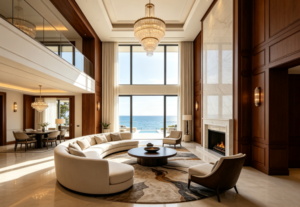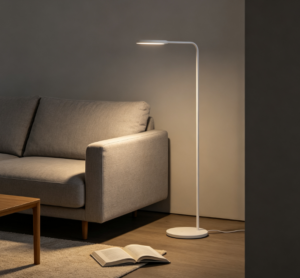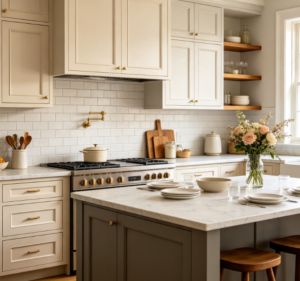
Interior design and interior decoration are often used interchangeably, but they are not exactly the same. Both contribute to the appearance, comfort and functionality of an interior space, yet they focus on different aspects of a project.
Interior design generally deals with how a space is planned, organized and used, including layout, functionality, materials, lighting and customized elements. Interior decoration focuses more on the visual character of an existing space through furniture, colors, fabrics, lighting fixtures and decorative details.
However, the distinction does not mean that a project must choose one or the other. Depending on the project scope, a client may need interior design, interior decoration, selected products, custom manufacturing, or a combination of several services.
Understanding the difference can help you determine what kind of support your project actually requires.
What Is Interior Design?
Interior design is concerned with the planning and development of an interior space. It considers not only how a space looks, but also how people move through it, how different areas function and how the individual elements work together.
Space Planning and Function
One of the most important parts of interior design is space planning.
A design project may involve deciding how rooms should be arranged, where furniture should be positioned, how people move between different areas and how each space can serve its intended purpose.
For a villa, this could involve planning the relationship between the living room, dining area, kitchen, bedrooms and bathrooms. For an office, the focus may be on workstations, meeting rooms, circulation and shared areas.
Good interior design therefore begins with the space itself rather than simply adding decorative elements.
Design Concept and Visual Direction
Interior design also establishes the overall direction of a project.
This can include:
- Interior style
- Color direction
- Material combinations
- Furniture requirements
- Lighting concepts
- Space proportions
- 2D drawings
- 3D visualizations
A design concept helps ensure that different elements are considered as part of one coherent interior rather than selected independently.
Materials and Interior Elements
Interior design often involves selecting and coordinating the materials that become permanent parts of the space.
Depending on the project, these may include doors, windows, tiles, wood flooring, marble and stone, kitchen cabinets, bathroom products and lighting.
The choice of materials can affect appearance, durability, maintenance and the overall character of a space. For commercial projects, material selection can be particularly important because areas with high traffic may require different specifications from those used in a private residence.
Customization and Project Coordination
Interior design can also involve customized elements that need to be developed according to the space.
Examples include custom furniture, kitchen cabinets, wardrobes, bathroom cabinets and other built-in features.
When dimensions, materials, functions and visual requirements all need to work together, design and customization become closely connected.

What Is Interior Decoration?
Interior decoration focuses more on the visual and atmospheric aspects of a finished or existing space.
Rather than changing how the space is fundamentally planned, decoration can enhance its appearance, personality and comfort through carefully selected furnishings and decorative elements.
Furniture Selection
Furniture is one of the most visible parts of interior decoration.
Depending on the space, this may include sofas, beds, dining tables and chairs, cabinets, accent furniture and outdoor furniture.
Furniture selection is not only about appearance. Size, proportion, material, comfort and the relationship between different pieces also influence how the finished interior feels.
Colors, Fabrics and Textures
Decoration can significantly change the atmosphere of a room through color and texture.
Curtains, rugs, cushions, upholstery, wall colors and other soft furnishings can introduce warmth, contrast or visual consistency without requiring major changes to the existing layout.
For example, a relatively simple apartment can achieve a more sophisticated appearance through coordinated furniture, textiles, lighting and accessories.
Lighting and Decorative Elements
Lighting can play both a functional and decorative role.
Pendant lights, floor lamps, table lamps and wall lights can become important visual features while also creating different levels of illumination.
Decoration may also include mirrors, artwork, plants and other accessories that give the space a more personal and finished appearance.
Creating the Final Atmosphere
Ultimately, decoration helps determine how a space feels.
Two rooms with similar layouts and materials can create completely different experiences depending on the furniture, colors, lighting, textures and decorative elements selected.
This is why decoration is particularly important when the basic space already works well but the client wants to improve its visual character.

Interior Design vs Interior Decoration: What Is the Difference?
The simplest way to understand the difference is to look at the main question each one addresses.
Interior design asks: How should this space work and be planned?
Interior decoration asks: How should this space look and feel?
Interior design can involve layout, space planning, materials, lighting concepts, customization and coordination of different interior elements. Interior decoration is more focused on furniture, colors, fabrics, accessories and the final visual atmosphere.
However, the boundary is not always absolute.
An interior design project may include furniture selection and decorative decisions, while a decoration project may require consideration of dimensions, lighting and existing materials.
The actual scope depends on the project and the services the client needs.

Does Interior Design Include Interior Decoration?
Not necessarily, but the two can work closely together.
An interior design project may establish the layout, materials, color direction, lighting concept and furniture requirements. Decoration can then help complete the space through furniture, fabrics, artwork, accessories and styling.
In some projects, the same team may handle both.
In other situations, the client may already have a design and only require decoration or product support.
For example, a client may already have completed floor plans and 3D renderings but still need furniture, lighting, curtains or decorative products. In this situation, starting the entire design process again may not be necessary.
The right approach depends on what has already been completed and what the client still needs.
When Do You Need Interior Design?
Interior design can be especially valuable when a project involves a new space or requires significant planning.
Starting With a New Space
New villas, apartments, hotels, offices and restaurants may require decisions about layout, materials, lighting, furniture and functional zones before products are selected.
In these situations, interior design can help establish a clear direction before manufacturing or installation begins.
The Layout Needs to Be Planned
If the existing layout does not meet the client’s requirements, design may be needed to reconsider how the space is organized.
This can include improving circulation, creating storage, changing functional zones or making better use of available space.
You Need a Complete Design Direction
Some clients know they want a modern, luxury, minimalist or classic interior but do not know how to translate that preference into a complete project.
Design consultation and visualization can help turn general preferences into practical decisions about space, materials, furniture and other interior elements.
When Do You Need Interior Decoration?
Interior decoration can be the better choice when the basic space is already functional and the main objective is to improve its appearance or atmosphere.
The Existing Layout Already Works
If the rooms, walls and functional areas are already suitable, there may be no need to redesign the entire space.
Instead, furniture, lighting, colors and decorative elements can be updated.
You Want to Refresh an Existing Interior
Decoration can be useful when a homeowner, hotel operator, office or commercial property owner wants to refresh an existing interior.
This may involve replacing furniture, introducing new lighting, changing textiles, adding artwork or creating a new color direction.
You Already Have an Interior Design
A client may already have a complete design prepared by an architect or interior designer.
In this situation, the next requirement could simply be sourcing the specified furniture and materials, producing customized products or helping complete the interior according to the existing design.
There is no reason to purchase design services that have already been completed.
When Do You Need Both Interior Design and Interior Decoration?
For many new or major renovation projects, design and decoration can complement each other.
A typical project might begin with space planning and design development, followed by material selection, customized manufacturing, furniture selection, lighting and final decoration.
For a new villa, for example, the design may determine the layout, kitchen configuration, bathroom arrangement, doors, windows and overall material palette. Decoration can then complete the environment with sofas, beds, dining furniture, curtains, lighting fixtures and accessories.
The same principle can apply to hotels, restaurants, offices and other commercial spaces.
Design establishes the foundation. Decoration adds personality and helps create the final atmosphere.
What If You Only Need Products or Customization?
Not every client needs interior design or decoration services.
Some clients already know exactly what they want and simply need reliable products or customized manufacturing.
For example, a project may only require:
- Furniture
- Kitchen cabinets
- Doors and windows
- Tiles
- Wood flooring
- Lighting
- Bathroom products
- Marble and stone
- Custom furniture
A client may provide drawings, dimensions, specifications or reference images, and the supplier can then focus on producing or sourcing the required products.
This is particularly useful for contractors, designers, property owners and project developers who already have their own design teams.
The service scope should therefore be based on the actual project requirement rather than forcing every client into a complete design package.

Can One Company Handle Interior Design and Decoration?
Yes. Having design, decoration and product-related services available from the same company can be useful when a project requires several different types of support.
Instead of treating design, product selection, customization and installation as completely separate tasks, they can be coordinated according to the project scope.
For example, a client may begin with design consultation, then select building materials and furniture, continue with custom manufacturing, and finally arrange logistics and installation.
Another client may already have a design and only require furniture and building materials.
A third client may only need decoration for a completed apartment.
The important point is flexibility. A suitable service provider should be able to adapt its role to what the client actually needs.
How to Decide Which Interior Service You Need?
Start by looking at the current condition of your project.
If you are starting with an empty space and need help with layout, style, materials and functionality, interior design may be appropriate.
If the space already works but needs new furniture, lighting, colors, textiles or decorative elements, interior decoration may be sufficient.
If you already have a design, you may only need product sourcing, customization, manufacturing or installation.
If you are developing a complete villa, apartment, hotel, office or commercial project, you may need several services working together.
The important thing is not choosing the largest service package. It is identifying which parts of the project still require professional support.
How George Group Supports Different Interior Project Needs
George Group works with different project requirements rather than requiring every client to follow the same service model.
When a client needs design support, the process can include design consultation, space planning and 2D or 3D design development.
When the requirement is interior decoration, the focus can shift toward furniture, lighting, decorative elements and coordinated interior products.
For clients who already have a design, George Group can also support product selection, customized manufacturing and project-related procurement.
The product range covers major interior categories including doors and windows, tiles, wood flooring, marble and stone, lighting, bathroom solutions, kitchen cabinets and furniture.
For projects requiring customization, products can be developed according to project drawings, dimensions and specific requirements.
Additional support can include manufacturing coordination, logistics and delivery, installation and after-sales service.
This flexible approach means a client can request only the services needed for a particular project, space or product rather than automatically committing to a complete interior design service.
Frequently Asked Questions
What is the main difference between interior design and interior decoration?
Interior design focuses more on space planning, functionality, materials and the overall development of an interior. Interior decoration focuses more on furniture, colors, fabrics, lighting and decorative elements.
Is interior decoration part of interior design?
It can be, but not always. Some projects combine both services, while others require only decoration or only design.
Can I hire an interior decorator without needing interior design?
Yes. If the existing layout and functional planning are already suitable, you may only need furniture, lighting, colors, textiles and other decorative elements.
Do I need interior design if I already have floor plans?
Not necessarily. If your design is already complete, you may only need product sourcing, customization, manufacturing, decoration or installation support.
Can I only purchase furniture and building materials?
Yes. A project may only require selected products rather than a complete design or decoration service. The required scope depends on your project.
Can one company handle both interior design and decoration?
Yes. Working with one company for multiple project requirements can simplify coordination when design, decoration, products, customization, manufacturing and installation all need to work together.
Conclusion
Interior design and interior decoration serve different purposes, but they are not competing approaches. Interior design focuses on how a space is planned and functions, while interior decoration helps determine how the completed space looks and feels. Depending on your project, you may need design, decoration, products, customization or a combination of these services. The most practical approach is to define what has already been completed and what still needs professional support. The right interior service is not about choosing the biggest package—it is about choosing the support your project actually needs.