Choosing the right hotel windows involves more than selecting a frame style that matches the building’s appearance. Windows can influence guest comfort, natural light, ventilation, energy performance, noise control, safety, and the overall architectural design of a hotel.
Hotel projects also have different requirements depending on the building type, location, climate, room layout, and design concept. A high-rise city hotel may need to focus heavily on wind resistance, acoustic performance, and safety, while a resort hotel may place greater emphasis on large glass areas, natural light, and outdoor views.
For this reason, hotel windows should be selected according to the actual requirements of the project rather than treated as a standard building component.
1. Consider the Hotel Type and Project Requirements
The first step is to understand the type of hotel and how the windows will be used.
Hotels can include city hotels, business hotels, resort hotels, boutique hotels, high-rise hotels, and extended-stay properties. Each type can have different requirements for window size, ventilation, noise control, thermal performance, and appearance.
For example, a city hotel located beside a busy road may require stronger acoustic performance, while a resort hotel may prioritize large windows that maximize views and natural light. A high-rise hotel may require additional attention to wind loads, safety, façade coordination, and structural requirements.
The location of each window also matters. Guest rooms, bathrooms, restaurants, lobbies, corridors, meeting rooms, and service areas may not require the same window configuration.
Before selecting hotel windows, consider:
- Hotel type and location
- Building height
- Window dimensions and quantity
- Room and space functions
- Local climate
- Ventilation requirements
- Noise exposure
- Natural light requirements
- Architectural design
- Local building requirements
Defining these requirements first provides a clearer basis for selecting the appropriate window type, material, and glass configuration.
2. Choose the Right Material for Hotel Windows
Aluminum is commonly used for commercial and hotel window applications because it combines durability, structural strength, and design flexibility.
Aluminum windows can be produced in different dimensions, profiles, finishes, and configurations, making them suitable for a wide range of hotel designs. They can also support contemporary architectural concepts where slim frames and large glass areas are required.
For hotel projects, the relationship between the aluminum frame and the glazing is particularly important. A window’s overall performance depends on the complete assembly rather than the frame alone.
The aluminum profile should be selected according to the required window size, opening configuration, structural requirements, and architectural appearance.
For projects that require a cleaner façade or larger visual glass area, narrow-frame aluminum profiles may also be considered where appropriate.
3. Select the Appropriate Window Type
Different hotel spaces can require different window opening configurations.
Fixed Windows
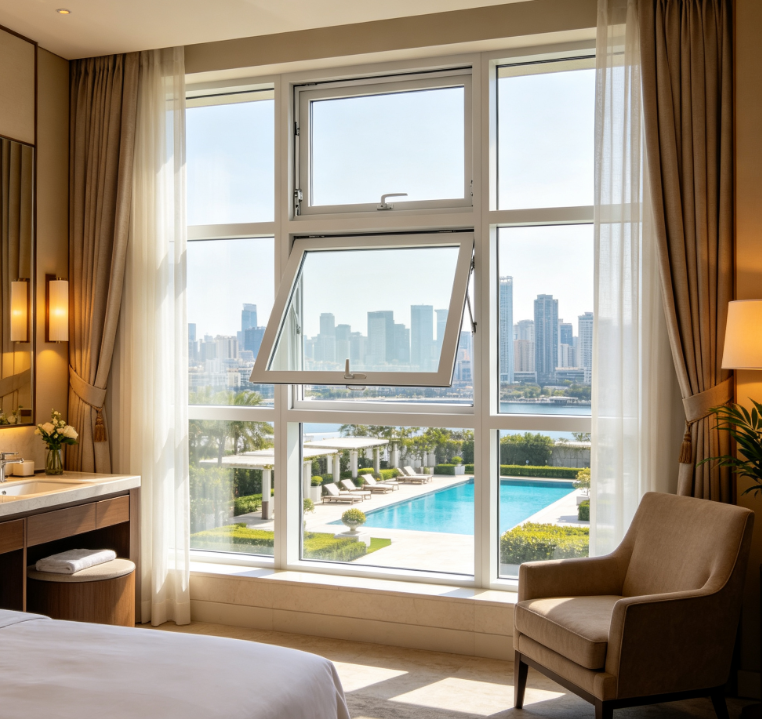
Fixed windows do not open and are mainly used where ventilation is not required. They can be suitable for large glazed areas, façades, lobbies, and other locations where natural light and views are the main priorities.
They can also be combined with operable windows when both large glass areas and ventilation are required.
Casement Windows
Casement windows open outward and can provide effective natural ventilation. They may be suitable for guest rooms and other areas where controlled ventilation is important.
Sliding Windows
Sliding windows move horizontally and can be useful where the space around the window needs to remain clear. They can work well in certain hotel room layouts and other areas where the opening method needs to be convenient.
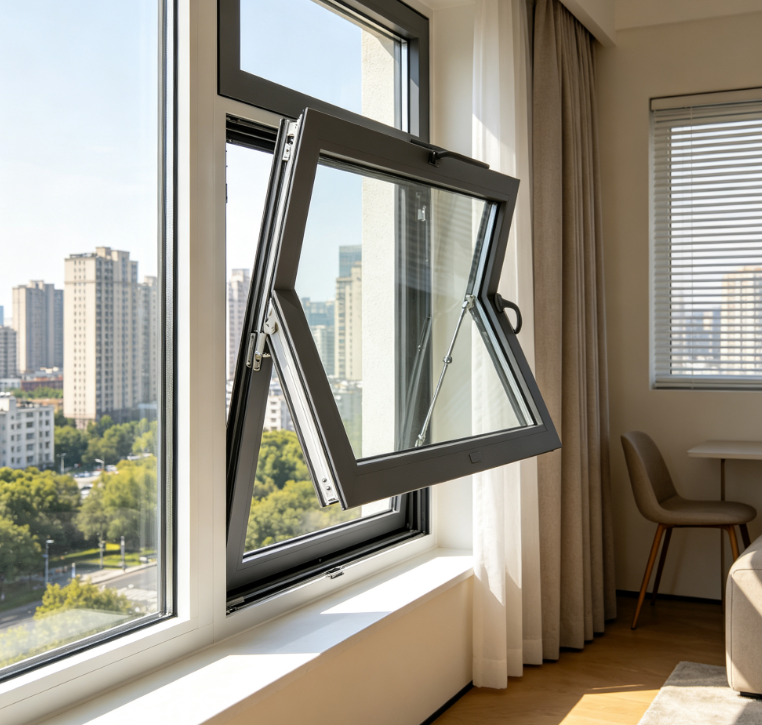
Awning, Folding and Louver Windows
Awning, folding, and louver windows may also be considered when a project has specific ventilation, space, or architectural requirements.
The most suitable window type depends on the function of the space. A visually attractive window is not necessarily the right choice if its opening method or performance does not match the project’s requirements.
4. Choose the Right Glass Configuration
Glass is another major factor in hotel window selection. It can influence thermal performance, acoustic comfort, safety, daylight, and views.
Double Glazed Glass
Double glazing uses two panes of glass separated by an insulating space. Depending on the overall configuration, it can help reduce heat transfer and improve indoor comfort.
For hotels located in climates with significant heating or cooling requirements, insulated glazing should be considered together with the window frame and the building envelope.
Laminated Glass
Laminated glass consists of multiple glass layers bonded with an interlayer. It can provide additional safety characteristics and can also be useful where acoustic performance is important.
For hotels near busy roads, airports, entertainment areas, or other noisy environments, the glazing configuration deserves particular attention.
Large Glass Areas
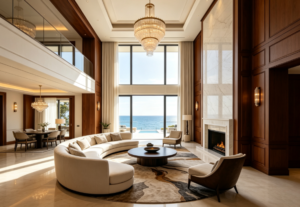
Large windows are common in hotels because they can provide natural light and stronger connections with outdoor views.
They may be especially useful in:
- Guest rooms
- Hotel restaurants
- Lobbies
- Lounges
- Resort properties
- Public areas
However, large glass areas should be evaluated together with structural requirements, solar exposure, thermal performance, safety, and the selected window system.

5. Consider Thermal Performance and Energy Efficiency
Hotel windows can affect the indoor environment and the building’s overall energy performance.
Windows allow daylight and ventilation into a building, but they can also contribute to unwanted heat gain or heat loss. The performance of the complete window assembly should therefore be considered during the design stage.
Depending on the project, relevant factors may include:
- Glass configuration
- Low-E coatings
- Insulated glazing
- Frame thermal performance
- Air sealing
- Window orientation
- Solar exposure
- Local climate
A hotel in a hot climate may need greater attention to solar heat gain, while a hotel in a colder climate may place greater emphasis on reducing heat loss.
There is no single window specification that works for every location. The glass and frame should be selected according to the actual environmental conditions and building requirements.
6. Pay Attention to Noise Control
Guest comfort is one of the most important reasons to pay attention to hotel window performance.
Noise from roads, airports, commercial districts, entertainment venues, and nearby construction can affect the guest experience. This makes acoustic performance particularly relevant for hotels in busy urban locations.
Noise control depends on the complete window assembly rather than simply choosing thicker glass. Factors can include:
- Glass thickness
- Laminated glass
- Number of glass panes
- Space between glazing layers
- Frame construction
- Sealing performance
- Installation quality
For hotels exposed to significant external noise, acoustic requirements should ideally be considered before the window specification is finalized.
7. Consider Safety and Building Requirements
Hotel windows also need to meet the safety and structural requirements of the project.
This becomes especially important for high-rise hotels and buildings with large glazed façades. Depending on the project and local requirements, considerations may include wind loads, glass safety, opening restrictions, fall protection, and other building requirements.
The exact requirements vary between locations and projects, so hotel window specifications should be coordinated with the relevant architects, engineers, contractors, and project teams.
For high-rise properties, window selection should also be considered together with the overall façade design and structural requirements.
8. Match Hotel Windows With the Architectural Design
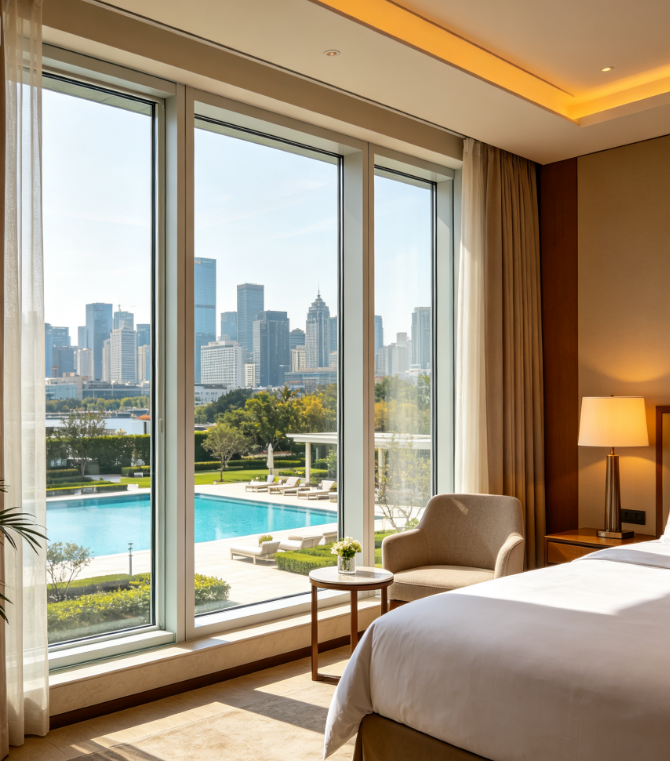
Hotel windows are an important part of the building’s visual identity.
Window proportions, frame colors, glass appearance, opening configurations, and the arrangement of glazed areas can all influence the architectural character of a hotel.
Modern hotels may use slim aluminum frames and large glazed areas to create a clean appearance. Boutique hotels may require more distinctive proportions or customized details. Resort hotels may prioritize larger openings to maximize views and natural daylight.
However, appearance should not be considered separately from performance.
A suitable hotel window solution should balance:
Architectural appearance + natural light + views + comfort + performance + durability
This is particularly important when the hotel has a strong architectural concept that needs to remain consistent across guest rooms and public spaces.
9. Consider Customization for Hotel Projects
Standard window sizes do not always fit hotel projects.
Hotels often have different room layouts, façade dimensions, opening requirements, and architectural details. Customized hotel windows can therefore be useful when standard products cannot meet the project’s requirements.
Customization may involve:
- Window dimensions
- Aluminum profiles
- Frame colors and finishes
- Glass configurations
- Opening methods
- Large-format glazing
- Special architectural requirements
Customization does not mean that every window needs to be completely different. A hotel project can use standardized configurations where appropriate while developing customized solutions for areas with specific requirements.
This approach can help maintain consistency while adapting the windows to the actual building.
10. Consider Installation and Project Coordination
Selecting the right product is only part of the process. Proper coordination is also important for hotel window projects.
The process may involve architectural drawings, site measurements, shop drawings, production, quality inspection, delivery, and installation.
Before production begins, the project team should confirm:
- Final window dimensions
- Opening direction
- Glass specification
- Frame specification
- Hardware
- Finishes
- Quantity
- Installation details
This becomes especially important for hotels with many guest rooms. A small measurement or specification issue can potentially be repeated across multiple rooms or floors.
Coordinating the window supplier with the architect, contractor, and installation team can therefore help reduce problems during production and installation.
11. What Should You Prepare Before Ordering Hotel Windows?
Before requesting a quotation or finalizing window specifications, hotel project owners, designers, and contractors should prepare as much project information as possible.
Useful information includes:
- Architectural drawings
- Window dimensions
- Window quantities
- Window locations
- Required opening types
- Glass requirements
- Frame material and finish
- Local climate and environmental conditions
- Acoustic requirements
- Safety requirements
- Installation requirements
- Project schedule
Providing this information allows the supplier to better understand the project and recommend a suitable window configuration.
For projects involving customized windows, complete drawings and accurate dimensions are particularly important before production.
Hotel Windows for Different Hotel Projects
Hotel window requirements can vary significantly depending on the property.
High-Rise Hotels
High-rise hotels may require greater attention to wind loads, safety, façade coordination, large glass areas, and acoustic performance.
Resort Hotels
Resort hotels often place greater emphasis on views, natural light, large glazed areas, and the relationship between indoor and outdoor spaces.
Boutique Hotels
Boutique hotels may require more customized window dimensions, frame finishes, or architectural details to support a distinctive design concept.
The key is to select the window configuration according to the actual requirements of the property rather than applying the same specification to every hotel project.
Conclusion
Choosing hotel windows requires consideration of more than appearance or material alone. The hotel type, building location, window function, frame material, glass configuration, thermal performance, acoustic requirements, safety, architectural design, customization, and installation should all be considered together.
For some projects, standard aluminum windows may be suitable, while others may require customized profiles, large glass areas, double glazing, laminated glass, or specific opening configurations. By defining the project’s requirements first and selecting the window solution accordingly, hotel owners and project teams can create a more suitable balance between design, comfort, performance, and long-term use.