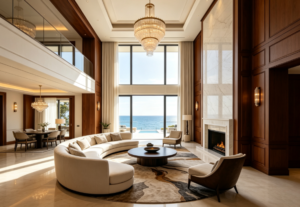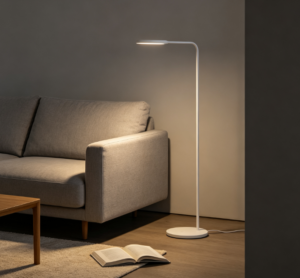
Choosing furniture for a hotel project involves more than selecting attractive beds, tables, and chairs. Every piece needs to work within the room layout, support the guest experience, withstand regular use, and coordinate with the hotel’s overall interior design.
A standard guest room may require a bed, bedside tables, wardrobe, luggage bench, desk, chair, and additional storage. Larger rooms and suites may need sofas, coffee tables, lounge furniture, dining areas, and other pieces. The right hotel room furniture list therefore depends on the room type, available space, hotel positioning, and project requirements.
This hotel room furniture checklist explains the essential furniture for different hotel room types and the key points to consider before selecting or ordering furniture for a hotel project.
What Furniture Does a Hotel Guest Room Need?
A typical hotel guest room combines sleeping, storage, working, and seating functions. The furniture should allow guests to use each area comfortably without making the room feel crowded.
The essential furniture for hotel rooms commonly includes:
- Bed and headboard
- Bedside tables or nightstands
- Wardrobe
- Luggage bench or luggage rack
- Desk or work table
- Desk chair
- Lounge chair or small sofa
- Coffee table or side table
- TV cabinet or media unit
- Minibar cabinet
- Additional storage furniture
Not every room needs every item. A compact city hotel room may prioritize the bed, wardrobe, work desk, and luggage storage, while a suite may require a complete living area.
Furniture dimensions should also be considered together with doors, windows, lighting, bathroom access, and circulation paths. A visually attractive furniture package can still create problems if pieces interfere with movement or reduce usable space.
For hotel projects, the objective is to create a furniture layout that is functional, consistent, and appropriate for the room type.
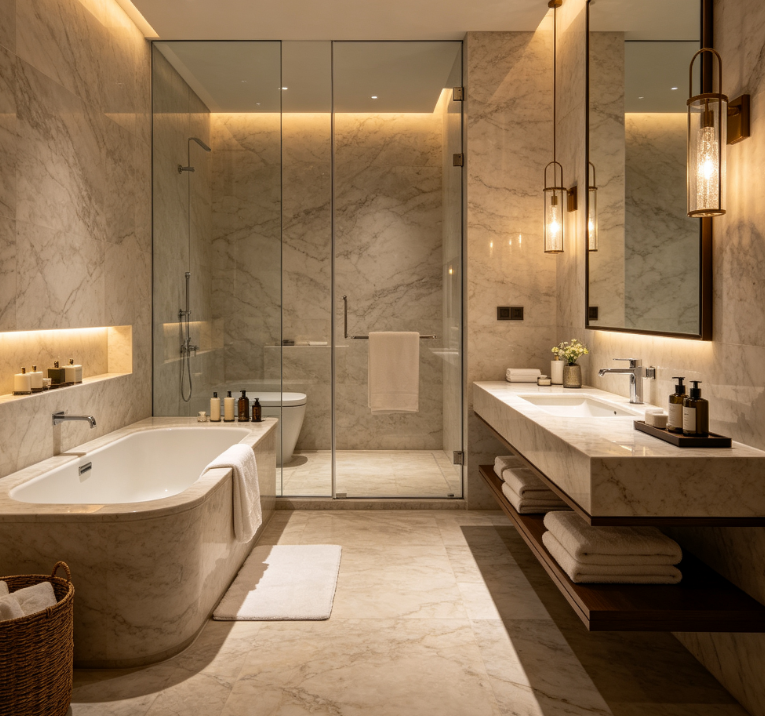
Essential Furniture for Standard Hotel Rooms
Standard guest rooms form the core of many hotel projects, so their furniture needs to balance functionality with efficient use of space.
Bed and Bedside Tables
The bed is usually the visual and functional focal point of a guest room. Its size should correspond with the room layout and the hotel’s room standard.
Bedside tables should provide convenient space for personal items, phones, lighting, and other guest essentials. In modern hotel rooms, charging points and electrical access may also need to be coordinated with the bedside area.
The headboard is another important element. It can connect the bed visually with the wall finishes, lighting, and other furniture while helping establish the room’s design identity.
Wardrobe and Storage
A hotel wardrobe should provide practical hanging and storage space without occupying more room than necessary.
Depending on the room category, storage may include hanging rails, shelves, drawers, and a dedicated luggage area. Open wardrobe systems can create a lighter appearance, while enclosed wardrobes provide a more traditional solution.
The wardrobe should also be positioned so that doors, drawers, and luggage storage can be used without blocking circulation.
Desk and Chair
A work desk remains important in many hotel rooms, particularly for business travelers and guests who need to use a laptop.
The desk should provide sufficient working surface while leaving enough space for comfortable seating. Lighting, power access, and nearby storage should be considered as part of the overall workstation rather than as separate details.
Seating
Depending on the room size, seating may include an occasional chair, lounge chair, bench, or compact sofa.
The goal is not simply to add more furniture. Seating should provide a useful secondary area where guests can read, relax, or work without having to sit on the bed.
Furniture for Deluxe Rooms and Suites
Deluxe rooms and suites generally provide more space, allowing the furniture package to become more comprehensive.
A deluxe room may include upgraded seating, a larger desk, additional storage, a minibar cabinet, or a more substantial luggage bench.
Suites require a different approach because they often contain separate sleeping and living areas. In addition to bedroom furniture, a suite may require:
- Sofa
- Lounge chairs
- Coffee table
- Side tables
- Console
- Dining table and chairs
- Additional storage
- Media furniture
The key consideration is zoning. Furniture should help visually and physically distinguish the sleeping, working, and living areas without making the suite feel fragmented.
For example, a sofa and coffee table can establish a lounge area, while a console or low cabinet can provide a transition between different functional zones.
The furniture style should remain consistent throughout the suite. Mixing unrelated furniture styles can make even a large room feel visually disconnected.
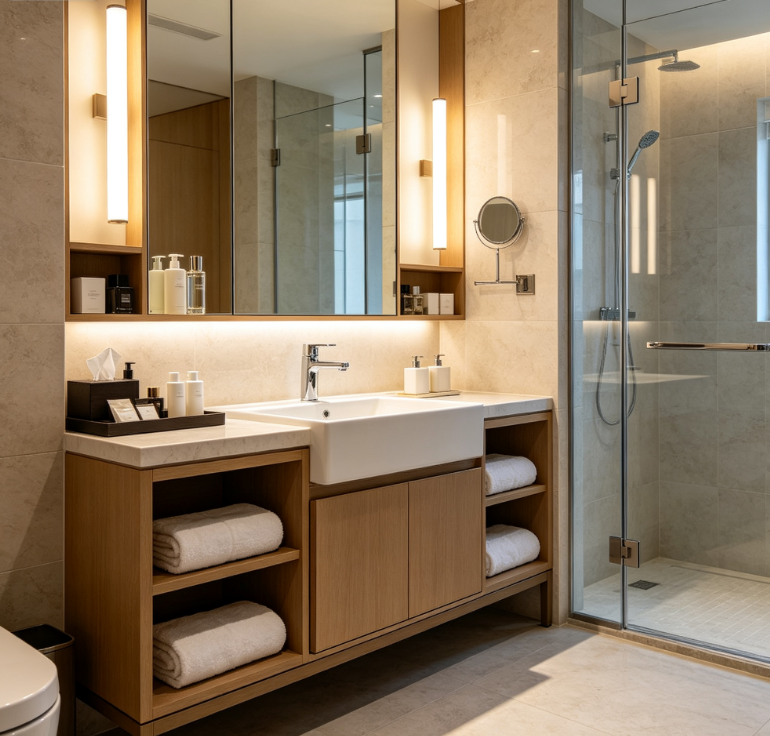
Hotel Furniture for Family Rooms and Other Room Types
Hotel furniture requirements can change significantly depending on the intended guest group.
Family rooms may require additional beds, flexible seating, and more storage. Furniture should leave sufficient circulation space even when the room is occupied by several guests.
Accessible rooms require particularly careful furniture planning. Bedside areas, desks, wardrobes, seating, and other furniture should be arranged in coordination with applicable accessibility requirements and local project regulations. Furniture should not unnecessarily restrict movement or access to essential facilities.
Connecting rooms and other special room configurations may also require different furniture layouts. Instead of applying exactly the same furniture package to every room, hotel projects should establish a furniture standard for each room type.
This approach makes the procurement process clearer while allowing the furniture layout to respond to actual room dimensions and functions.
How to Choose Hotel Furniture for Durability and Daily Use
Hotel furniture experiences different demands from typical residential furniture. Guest rooms are used repeatedly by different people, while housekeeping teams clean surfaces regularly.
Material selection is therefore an important part of hotel furniture planning.
Cabinet furniture may use materials such as solid wood, wood veneer, MDF, plywood, or other engineered materials. The appropriate choice depends on the design, construction, expected use, and project specifications.
Surface finishes should also be evaluated. Areas such as desks, bedside tables, luggage benches, and minibar cabinets may experience frequent contact, spills, and cleaning. The selected finish should be suitable for the intended environment and maintenance routine.
Hardware deserves similar attention. Hinges, drawer runners, handles, and soft-close systems may appear to be small details, but they have a direct impact on everyday operation.
Upholstered furniture also requires careful selection. Chairs and sofas should use fabrics or other upholstery materials that are appropriate for regular hotel use and cleaning requirements.
Instead of choosing hotel furniture based only on appearance, project teams should review the complete specification, including construction, finish, hardware, maintenance requirements, and warranty conditions.
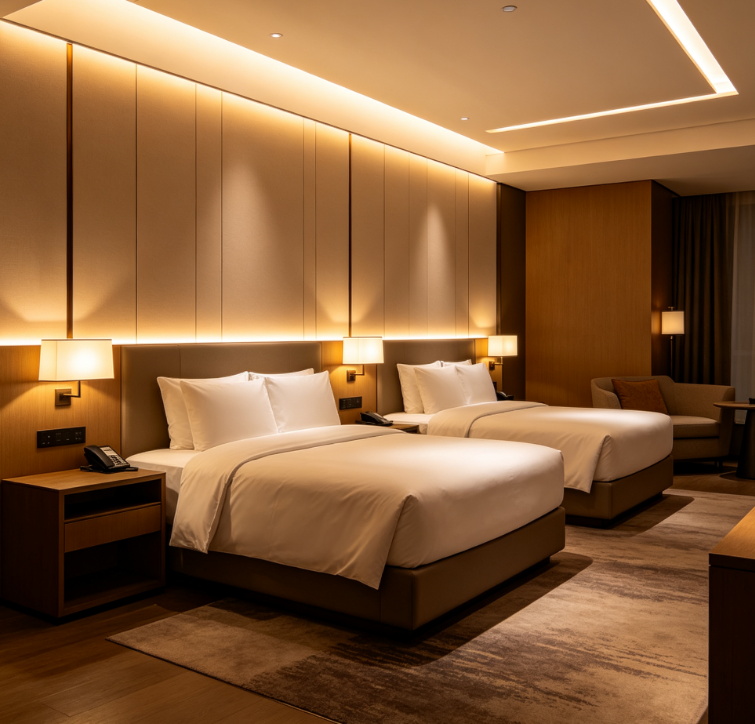
Hotel Furniture Should Match the Interior Design
Furniture should be considered together with the other materials used throughout the hotel.
A hotel bedroom may combine furniture with flooring, wall panels, lighting, doors, windows, bathroom finishes, stone, and tiles. If these elements are selected independently, the finished room can lack visual consistency.
A modern hotel may use simple furniture profiles, neutral colors, metal details, and clean surfaces. A boutique hotel may require more distinctive furniture, natural materials, decorative details, or custom colors to reinforce its identity.
Business hotels may place greater emphasis on work desks, storage, charging access, and practical layouts, while resort properties may give more attention to lounge seating, natural materials, and relaxed room arrangements.
The furniture finish should also work with the lighting plan. Wood tones, painted surfaces, stone, metal, and upholstery can appear different under warm or cool lighting.
For this reason, furniture samples should ideally be reviewed alongside key interior materials rather than evaluated as isolated products.
Custom Hotel Furniture vs Standard Furniture
Hotel projects do not always need every piece of furniture to be completely customized. The right approach depends on the room design, project scale, brand requirements, and available specifications.
Standard furniture can work well where room layouts are relatively straightforward and the project requires consistent furniture across multiple rooms.
Custom hotel furniture becomes more useful when rooms have unusual dimensions, when a hotel has a specific design identity, or when furniture needs to integrate with architectural features.
Custom pieces can include built-in wardrobes, minibar cabinets, desks, headboards, TV units, consoles, and other furniture designed around specific room dimensions.
A mixed approach can also be effective. Standard furniture may be used for selected loose pieces, while key built-in or design-specific elements are customized.
The important point is to define the furniture standard before production and ensure that dimensions, materials, finishes, hardware, and colors are consistent across the project.
Hotel Furniture Checklist Before Ordering
Before confirming a hotel furniture package, review the project from several perspectives.
Room layout: Does every piece fit the room without restricting circulation, doors, windows, or access to other facilities?
Function: Does the room provide sufficient sleeping, working, seating, storage, and luggage space?
Materials: Are the selected materials and finishes appropriate for regular hotel use and cleaning?
Construction: Have cabinet construction, hardware, joints, edges, and installation requirements been reviewed?
Design coordination: Do the furniture colors and finishes work with the flooring, walls, lighting, doors, bathroom, and other interior materials?
Room consistency: Are furniture specifications consistent across rooms of the same category?
Customization: Which pieces need to be customized, and which can use standardized designs?
Procurement: Are quantities, dimensions, finishes, drawings, samples, and installation requirements confirmed before production?
This final review can help identify problems before furniture enters production or reaches the project site.
How We Support Hotel Furniture and Interior Projects
At George Group, we approach hotel furniture as part of the wider interior project rather than as an isolated product category. For hotel projects, we can coordinate guest-room furniture with other interior materials so that the furniture, finishes, and overall design work together from the planning stage.
Our hotel furniture range can be used for different hotel room requirements, including guest rooms, suites, and other hospitality spaces. Depending on the project, we can help coordinate furniture such as beds, nightstands, wardrobes, desks, seating, storage units, and other room-specific pieces with the project’s design direction and space requirements.
Furniture is only one part of a hotel interior. We can also coordinate related categories such as lighting, doors and windows, bathroom solutions, tiles, marble and stone, and other interior materials. This is particularly useful when a project requires consistent colors, finishes, materials, and design details across different areas of the hotel.
Our 30,000 m² showroom and exhibition center gives project teams the opportunity to review furniture and other interior materials in a physical environment. Instead of evaluating each product category separately, clients can compare different materials and finishes together and make decisions based on the overall interior concept.
For hotel projects, our support can begin with understanding the room types, design direction, furniture requirements, and related material needs. We can then help coordinate the relevant product categories according to the project’s specifications. Where required, we also provide design support and interior decoration services, allowing us to support projects beyond individual product selection.
If you are planning a hotel project and need to coordinate furniture with other interior materials, explore our one-stop interior solutions to see how we can support the wider project.
Conclusion
A successful hotel room furniture package needs to balance appearance, function, durability, maintenance, and room layout. Standard rooms may require a focused selection of essential furniture, while suites and special room types need more extensive planning. The best results come from coordinating furniture with lighting, flooring, doors, windows, bathroom materials, and other interior finishes. A clear furniture checklist before ordering can help hotel project teams make more consistent decisions and avoid problems during production and installation.