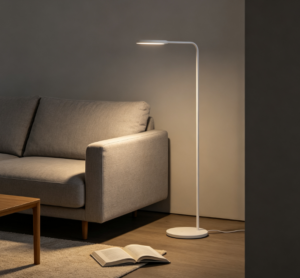
Planning a villa, apartment, hotel, restaurant, office, school, or other interior project often means sourcing many different products at the same time.
You may need furniture, kitchen cabinets, flooring, lighting, marble and stone, doors and windows, bathroom products, tiles, and customized interior products. Finding each product separately can quickly turn into a complicated procurement process involving multiple suppliers, quotations, production schedules, inspections, and shipments.
China has become an important sourcing destination for international buyers because of its broad manufacturing base, product variety, and customization capabilities. However, successful building materials sourcing from China requires more than finding the lowest price.
You need a clear project plan, suitable suppliers, quality control, and a reliable way to coordinate production and delivery.
This guide explains how to buy building materials from China for residential and commercial projects, from the first product list to final delivery.
Why Buy Building Materials from China?
One of the main advantages of buying building materials from China is the sheer variety of products available.
International buyers can source everything from structural and finishing materials to furniture and customized interior products.
Wide Product Selection
Depending on your project, you can source:
- Furniture
- Kitchen cabinets
- Flooring
- Lighting
- Doors and windows
- Bathroom products
- Tiles
- Marble and stone
- Customized interior products
This makes China particularly interesting for buyers working on complete interior projects rather than purchasing only one product category.
Customization Options
Many Chinese manufacturers can produce products according to specific project requirements.
Customization may include:
- Dimensions
- Materials
- Colors
- Finishes
- Hardware
- Functional requirements
- Design details
This can be especially useful for villas, apartments, hotels, restaurants, offices, and other projects where standard products may not fit the design or space.
Manufacturing and Supply Chain
China’s large manufacturing ecosystem provides access to specialized factories and suppliers across many product categories.
For project buyers, this can create more opportunities to compare products, specifications, customization options, and production capabilities.
However, the key is to choose the right China building materials supplier rather than simply selecting a factory based on price.
What Building Materials Can You Buy from China?
A complete interior project may require products from several different categories.
Furniture
Sofas, beds, dining tables, chairs, wardrobes, storage units, and customized furniture can be sourced for residential and commercial interiors.
Kitchen Cabinets
China is a major sourcing destination for customized kitchen cabinets, storage solutions, countertops, and related kitchen products.
Flooring
Buyers can explore wooden flooring, tiles, stone, and other flooring materials for different project applications.
Lighting
Decorative and functional lighting can be sourced for homes, hotels, restaurants, offices, retail spaces, and other commercial environments.
Doors & Windows
Interior doors, exterior doors, aluminum windows, customized windows, and project-specific solutions can be sourced according to architectural requirements.
Bathroom Products
Bathroom vanities, mirrors, sanitary ware, shower products, bathtubs, toilets, and bathroom storage are commonly included in interior sourcing projects.
Marble & Stone
Natural and engineered stone can be used for countertops, walls, floors, stairs, bathrooms, kitchens, and decorative applications.
George Group currently lists furniture, kitchen cabinets, lighting, doors, windows, marble and stone, tiles, bathroom solutions, and other building materials within its one-stop product offering.

How to Buy Building Materials from China Step by Step
Step 1: Define Your Project Requirements
Before contacting a building materials supplier in China, clearly define your project.
Start with:
- Project type
- Floor area
- Design style
- Budget
- Required products
- Estimated quantities
- Project timeline
- Destination country
If you already have architectural drawings, floor plans, room dimensions, or interior designs, prepare them before contacting suppliers.
The more specific your requirements are, the easier it is for suppliers to provide accurate product recommendations and quotations.
Step 2: Create a Complete Product List
Do not start by searching for individual products randomly.
Create a complete procurement list based on your project.
For a residential project, this could include:
Kitchen → Bathrooms → Bedrooms → Living Areas → Flooring → Lighting → Doors → Windows → Furniture
For a commercial project, the list may include:
Guestrooms → Public Areas → Furniture → Lighting → Flooring → Bathrooms → Doors → Decorative Materials
A complete list helps you understand how many product categories you actually need.
It also allows you to decide whether you should work with several specialized suppliers or a one-stop building materials supplier.
Step 3: Find and Compare China Building Materials Suppliers
Once your requirements are clear, start comparing suppliers.
Do not evaluate them only by quotation.
Consider:
- Product quality
- Customization capability
- Factory or supplier experience
- Product specifications
- Communication
- Project experience
- Export experience
- Production capacity
- Quality control
- Logistics support
For large projects, it is also important to understand whether a supplier can coordinate several product categories.
A company that can supply furniture but cannot support your flooring, lighting, bathroom, or door requirements may still leave you managing several other suppliers.
Step 4: Check Samples and Product Quality
Never rely only on product photographs when purchasing important building materials.
A material can look different in photographs because of lighting, camera settings, or screen displays.
Before confirming a large order, consider checking:
- Material
- Thickness
- Color
- Texture
- Surface finish
- Dimensions
- Hardware
- Construction quality
- Packaging
For customized products, approved samples and drawings are especially important.
This helps ensure that the final production matches the agreed specifications.
Step 5: Visit a Building Materials Showroom
For larger projects, visiting a physical building materials showroom in China can make the sourcing process much easier.
Online research is useful for creating a shortlist, but photographs cannot completely communicate the actual texture, finish, color, scale, or quality of a product.
A showroom allows you to compare products in person.
You can examine:
Furniture + Flooring + Lighting + Kitchen Cabinets + Bathroom Products + Doors + Windows + Stone
within the same sourcing trip.
This is particularly useful when you want different products to work together as part of one interior design.
Why Visit Foshan for Building Materials Sourcing?
For international buyers interested in interior products, Foshan is an important sourcing destination in China.
The wider Foshan manufacturing ecosystem covers categories such as furniture, ceramics, sanitary ware, kitchen cabinets, doors, windows, lighting, flooring, and other interior products. Recent sourcing guides also highlight Foshan as a destination where international buyers can explore multiple building-material categories within one regional manufacturing cluster.
This concentration can be particularly useful for buyers working on complete residential or commercial interiors.
Instead of traveling to completely different regions for every product category, buyers can explore multiple product options within the broader Foshan sourcing ecosystem.
For an international client, that can make a China sourcing trip much more efficient.

Should You Work with Multiple Suppliers or One Supplier?
There is no single answer for every project.
If you only need one specific material, a specialized supplier may be the best option.
For example, a buyer looking only for architectural wall panels may prefer a specialist manufacturer.
But the situation is different when you are completing an entire property.
Imagine needing:
Furniture + Kitchen Cabinets + Flooring + Lighting + Stone + Doors + Windows + Bathroom Products
Managing each category separately may mean:
- Multiple supplier contacts
- Multiple quotations
- Different production schedules
- Different quality standards
- Different payment arrangements
- Multiple shipping arrangements
A one-stop building materials supplier can reduce this coordination burden by allowing several product categories to be managed through one project team.
The main benefit is not simply “fewer suppliers.”
It is having one team coordinate different parts of the project.
Step 6: Confirm Customization and Production
Once products have been selected, confirm all project specifications before production.
For customized products, check:
- Dimensions
- Materials
- Colors
- Finishes
- Hardware
- Product drawings
- Quantities
- Production timeline
- Packaging requirements
This is especially important for customized furniture, kitchen cabinets, bathroom vanities, doors, windows, and other project-specific products.
Clear specifications at this stage can help reduce misunderstandings later.
Step 7: Arrange Quality Control, Shipping and Delivery
Quality control should continue through production rather than stopping after the quotation.
Depending on the project, inspection may cover:
- Product specifications
- Dimensions
- Materials
- Surface finishes
- Quantity
- Packaging
- Visible defects
After inspection, logistics planning becomes the next priority.
For projects involving several product categories, coordinating packaging and shipping can be complicated.
A consolidated shipment can allow different products to be managed as part of one project delivery rather than treated as completely separate purchases.

How George Group Simplifies Building Materials Sourcing from China
For clients who need several interior product categories, George Group provides a one-stop building materials sourcing and interior solution.
Our company is based in Foshan and operates a 30,000 m² showroom featuring more than 200 product categories. Its current product range includes furniture, kitchen cabinets, lighting, doors, windows, flooring, marble and stone, tiles, and bathroom solutions.
The sourcing process can cover:
Design & Consultation
↓
3D Visualization
↓
Product Selection
↓
Custom Manufacturing
↓
Quality Inspection
↓
Logistics & Delivery
↓
Installation Support
↓
After-Sales Service
This approach is designed to simplify procurement for clients who would otherwise need to coordinate multiple product suppliers. George Group describes its one-stop model as covering design consultation, sourcing, manufacturing, delivery, installation support, and after-sales service.
For clients who already have architectural drawings or interior concepts, the team can also help match products and customization requirements to the project.

What Projects Can You Source Building Materials for?
The sourcing process can be adapted to different residential and commercial projects.
Residential Projects
Villas
Complete villa interiors may require customized furniture, kitchens, bathrooms, flooring, lighting, doors, windows, and stone.
Apartments
Apartment projects can involve furniture packages, kitchen cabinets, bathroom products, flooring, lighting, and customized storage.
Commercial Projects
Hotels
Guestroom furniture, lighting, flooring, bathrooms, doors, and customized interior products.
Restaurants
Furniture, lighting, flooring, decorative materials, doors, and other interior products.
Offices
Workplace furniture, lighting, flooring, doors, and other interior materials.
Schools
Furniture, flooring, lighting, doors, bathroom products, and project-specific materials.
George Group currently presents its project experience across residential, commercial, and hospitality applications, including villas, apartments, hotels, and offices.
What Should You Prepare Before Contacting a China Supplier?
Before contacting a China building materials supplier, prepare as much project information as possible.
Useful documents include:
- Floor plans
- Architectural drawings
- Interior designs
- 3D renders
- Room dimensions
- Reference images
- Product list
- Estimated quantities
- Budget range
- Project timeline
You do not need to have every product specification finalized before starting a conversation.
However, providing a clear overview of your project allows the supplier to understand what you actually need.
For a complete interior project, this can also help determine whether individual product sourcing or a one-stop procurement solution is more appropriate.
Conclusion
Buying building materials from China can give residential and commercial projects access to a wide range of products and customization options. However, successful sourcing requires more than comparing prices. The right supplier should help coordinate product selection, customization, quality control, logistics, and delivery.
For projects requiring multiple interior products, working with a one-stop building materials supplier can make the entire process more efficient.
Planning to source building materials from China? Visit George Group’s showroom in Foshan to explore products, discuss your project, and find the right sourcing solution.