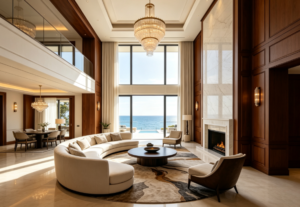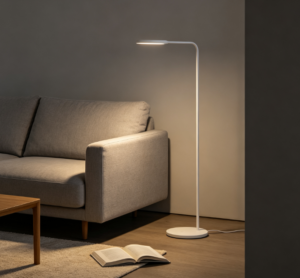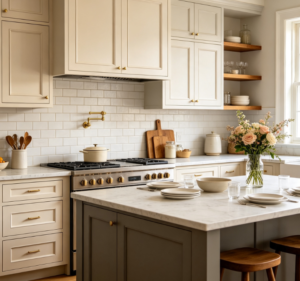
Modern interiors do not have to feel cold to look clean and sophisticated. In 2026, warm minimalism offers a different approach to contemporary home design by combining uncluttered spaces with natural materials, earthy colors, comfortable furniture, and carefully planned lighting. Instead of relying on stark white surfaces and strict geometric lines, this style creates visual interest through texture, subtle contrasts, and thoughtful material choices.
Warm minimalist interior design can work across different property types, from compact apartments to spacious villas. Its appeal lies in its balance of simplicity and comfort: rooms remain practical and organized without feeling empty or impersonal.
For homeowners planning a complete interior project, the key is to consider how furniture, lighting, wall finishes, tiles, stone, doors, and other elements work together. A cohesive material palette can make a home feel more connected, while inconsistent finishes may undermine the calm atmosphere that warm minimalism aims to achieve.
What Is Warm Minimalism in Interior Design?
Warm minimalism combines the simplicity of minimalist design with the natural colors, textures, and tactile qualities that make a space feel welcoming. It retains clean layouts, functional furniture, and a restrained approach to decoration, but replaces an overly clinical appearance with softer, more inviting details.
Traditional minimalism often emphasizes white walls, cool gray surfaces, sharp lines, and limited decoration. Warm minimalism follows the same principle of avoiding unnecessary visual clutter, but introduces materials such as wood, natural stone, textured tiles, linen, and other finishes with subtle variations.
The difference is not simply a change in color. It is a more considered approach to how a room looks and feels. A minimalist living room, for example, might contain a simple sofa, a coffee table, and a neutral wall. A warm minimalist version could use a textured beige wall, a light oak coffee table, a softly upholstered sofa, and layered lighting to create greater depth without adding unnecessary objects.
This style also encourages homeowners to prioritize quality and coordination over quantity. Rather than filling every corner with decorative accessories, each selected element should contribute to the function, comfort, or character of the space.
Natural Colors and Earthy Tones in Warm Minimalist Interiors
Color establishes the foundation of a warm minimalist interior. A restrained palette helps different rooms feel connected, while subtle changes in tone prevent the design from becoming monotonous.
Warm Neutrals as the Foundation
Cream, ivory, warm white, sand, oatmeal, and soft beige are useful starting points for walls, upholstery, cabinetry, and larger surfaces. These shades create a calm background and work well with both light and dark materials.
Warm neutrals can also make a room feel visually softer than a scheme dominated by cool white and gray. However, using one shade everywhere can make an interior appear flat. Combining several related tones introduces variation without creating a busy appearance.
For example, warm white walls can be paired with beige upholstery, light wood furniture, and stone surfaces with gentle natural patterns. Each material remains visually distinct, but the overall palette feels coordinated.
Earthy Accents Add Depth
Muted olive green, clay, terracotta, taupe, and warm brown can introduce character without overwhelming a minimalist space. These colors work particularly well in accent furniture, cushions, selected wall details, and decorative objects.
Wood tones are especially important because they bring both color and texture into a room. Pale timber creates a light, relaxed atmosphere, while walnut and other deeper wood finishes add contrast and a more substantial appearance.
The goal is to use accent colors selectively. A single olive armchair or a warm brown dining table may provide enough contrast against neutral walls. Repeating a small number of complementary tones throughout the home can create a more cohesive result than introducing a different palette in every room.
Natural Materials That Define Warm Minimalism in 2026
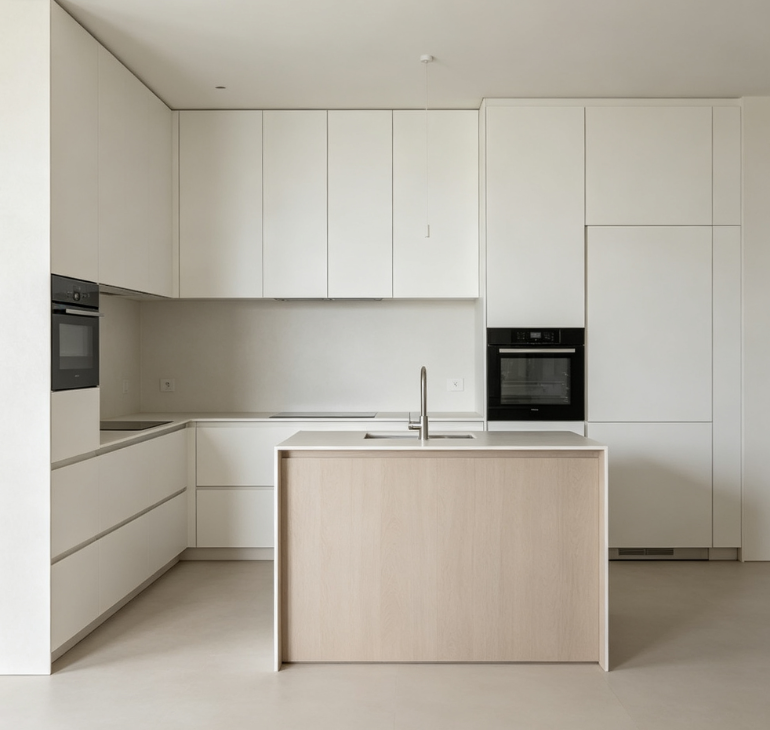
Material selection is central to warm minimalist interior design. When decorative elements are limited, the surfaces, finishes, and textures become more noticeable. Choosing materials that complement one another is therefore more important than simply selecting individual products that look attractive.
Natural Wood and Wood-Look Finishes
Wood introduces warmth through its grain, tone, and natural variation. It can be used in furniture, cabinetry, doors, wall panels, shelving, and selected flooring applications to connect different parts of an interior.
Light wood finishes work well with cream walls and pale stone, creating a relaxed and open atmosphere. Darker wood can provide contrast in dining areas, kitchens, bedrooms, and larger living spaces.
The key is to coordinate undertones. Yellow-toned wood may look noticeably different beside a strongly red-brown finish, while several carefully selected wood tones can create a layered, intentional appearance.
Natural timber is not the only option. Wood-look finishes can also support the style when their texture, color, and overall quality suit the project. The appropriate choice depends on the intended use, maintenance requirements, moisture exposure, and budget.
Natural Stone and Subtle Surface Variation
Marble, travertine, limestone, and other stone-inspired finishes can add visual depth without requiring bold patterns or bright colors. Their variations in veining, texture, and tone make them suitable for coffee tables, kitchen surfaces, bathroom vanities, feature walls, and selected architectural details.
For a restrained interior, stone with soft movement and a coordinated color palette is often easier to integrate than a highly contrasting pattern used across every surface. A statement stone island or a distinctive vanity can become a focal point while the surrounding finishes remain relatively simple.
Natural stone should be selected according to the application, not appearance alone. Porosity, sealing, cleaning requirements, and resistance to staining or etching can differ considerably between materials. Engineered alternatives may be appropriate where consistent patterns or specific maintenance characteristics are priorities.
Textured Tiles and Matte Finishes
Tiles can support warm minimalism in kitchens, bathrooms, entryways, and other areas where durability and cleaning are important. Beige stone-look porcelain, subtle textured tiles, and matte finishes can complement wood and neutral wall colors without introducing excessive visual contrast.
Large-format tiles may help reduce the number of visible grout lines, creating a more continuous surface. Smaller tiles can also work when their pattern and grout color are chosen carefully.
The finish should reflect the room’s function. For example, bathroom and wet-area flooring needs suitable slip resistance, while kitchen surfaces must meet the practical requirements of the installation. A beautiful finish should not come at the expense of everyday usability.
Fabrics and Tactile Textures
Soft materials balance the harder surfaces found in contemporary interiors. Linen-look upholstery, cotton, wool, textured weaves, and other suitable fabrics can make a room feel more comfortable without adding strong colors or elaborate patterns.
A neutral sofa, for instance, becomes more interesting when paired with cushions in different textures rather than multiple competing prints. Curtains, rugs, and upholstered dining chairs can provide similar layers of softness.
Texture is particularly useful when a room has a limited color palette. By combining smooth cabinetry, natural wood grain, textured upholstery, and softly patterned stone, homeowners can create depth while maintaining a clean visual language.
Furniture and Lighting Trends for Warm Minimalist Homes
Furniture and lighting determine how warm minimalism works in everyday life. Both should support the layout and atmosphere rather than function as isolated decorative features.
Simple Furniture With Softer Shapes
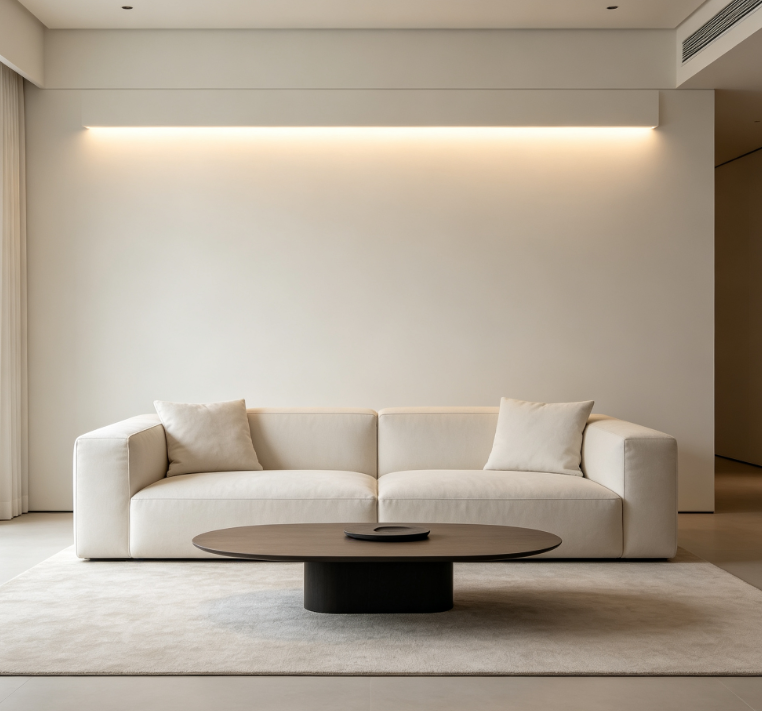
Warm minimalist furniture generally favors clear silhouettes, comfortable proportions, and restrained detailing. Rounded coffee tables, softly curved sofas, upholstered dining chairs, and simple wooden tables can soften the straight lines of cabinetry and architectural elements.
Curves do not need to dominate the entire home. A single rounded sofa or dining table may be enough to balance a room with linear shelving, rectangular tiles, and clean-lined doors.
Storage is equally important. Built-in cabinets and well-planned shelving can reduce visible clutter while keeping everyday items accessible. However, concealed storage should be designed around actual household needs rather than added everywhere without purpose.
Furniture dimensions also matter. Oversized pieces may make a compact apartment feel crowded, while furniture that is too small can leave a large room looking disconnected. The correct scale helps maintain both comfort and visual balance.
Layered Lighting Creates a Softer Atmosphere
Lighting can significantly influence how natural materials and warm colors appear. A single bright ceiling light may provide general visibility, but it often fails to create the depth and flexibility needed in a comfortable home.
A layered lighting plan typically combines three functions:
- Ambient lighting provides general illumination for moving around and using the room.
- Task lighting supports specific activities, such as cooking, reading, working, or grooming.
- Accent lighting highlights selected surfaces, architectural details, artwork, or display areas.
Pendant lights over a dining table, under-cabinet lighting in a kitchen, bedside reading lights, and subtle wall lighting can all contribute to a more adaptable environment.
Warm-white lighting is often suitable for relaxing living areas and bedrooms, while kitchens and work areas may require a different balance of brightness and color appearance. Lighting should be evaluated alongside the selected materials because the same beige surface or wood finish can look different under different light sources.
Applying Warm Minimalism to Different Areas of the Home
A consistent design approach does not mean every room must look identical. Each space has its own practical requirements, and warm minimalism should respond to how homeowners use it.
Living Rooms
In a warm minimalist living room, begin with the main furniture layout and a limited color palette. A neutral sofa, a wood or stone coffee table, and a textured rug can establish the foundation. Curtains, lighting, and a small number of personal objects add character without making the room feel cluttered.
In open-plan homes, repeating selected materials between the living and dining areas helps connect the spaces. For example, a wood finish used on the coffee table could be echoed in dining furniture or cabinetry.
Kitchens and Dining Areas
Kitchens benefit from a balance of visual simplicity and practical performance. Warm neutral cabinets, wood accents, understated stone surfaces, and carefully planned task lighting can create a contemporary yet welcoming environment.
The combination of cabinet doors, handles, countertops, backsplashes, and lighting should be considered together. A textured backsplash may add sufficient interest when the cabinetry is plain, while a more expressive countertop may work better with simpler wall finishes.
Dining areas can continue the same palette through a timber table, upholstered chairs, and a pendant light that defines the space without making it feel separate from the rest of the home.
Bedrooms
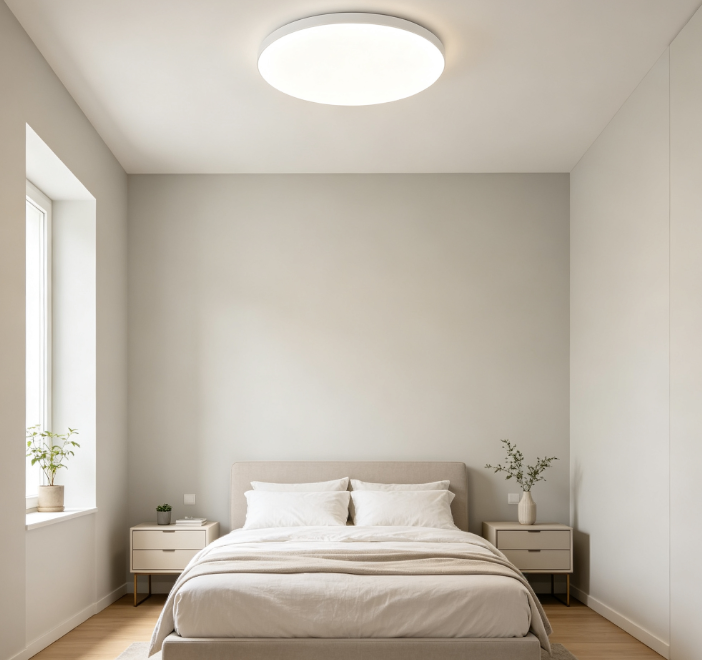
Bedrooms should prioritize comfort, storage, and a restful atmosphere. Soft neutral walls, upholstered headboards, warm wood furniture, and layered bedside lighting can create a calm environment.
Rather than decorating every wall, homeowners can use a restrained feature behind the bed or introduce texture through bedding and curtains. Wardrobes and doors in coordinated finishes help maintain visual continuity, especially in smaller bedrooms where many surfaces are visible at once.
Bathrooms
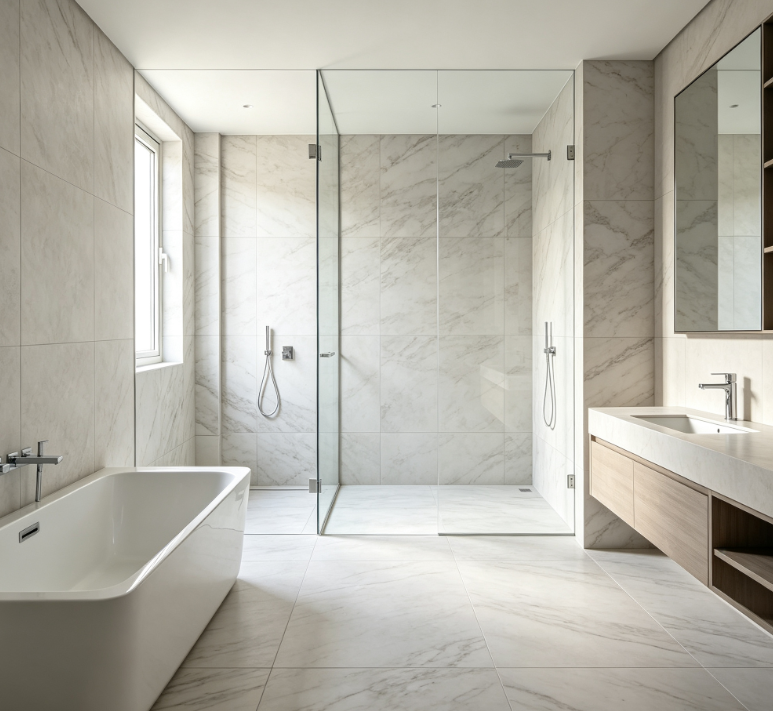
Warm minimalism can make bathrooms feel more relaxed without compromising functionality. Stone-look tiles, neutral wall finishes, simple vanities, and understated fittings help create a cohesive appearance.
Material selection needs particular attention in wet areas. Flooring must suit the expected moisture and slip conditions, while surfaces and fittings should be appropriate for regular cleaning. Storage should also be planned so that toiletries and daily necessities do not overwhelm the visual simplicity of the room.
How to Create a Cohesive Warm Minimalist Interior
Achieving warm minimalism across an entire home requires coordination. Selecting each product independently can lead to mismatched wood tones, inconsistent undertones, or competing surface patterns.
Start by establishing a core palette of two or three main colors, then select the dominant materials for cabinetry, doors, wall finishes, tiles, and stone. Furniture and lighting can be chosen afterward to reinforce the same design direction.
It is also useful to evaluate physical samples together whenever possible. A tile, cabinet finish, or stone sample may look different when placed beside another material or viewed under artificial lighting. Checking combinations early can help avoid costly changes during installation.
Practical considerations should remain part of the design process. Homeowners need to think about cleaning, durability, storage, maintenance, natural light, and the needs of everyone using the space. Materials suitable for a quiet bedroom may not be ideal for a busy kitchen or a frequently used entrance.
Finally, resist the temptation to follow every trend. Warm minimalism works best when its principles support the property’s architecture and the homeowner’s lifestyle. A timeless foundation can accommodate personal accessories or future updates without requiring a complete redesign.
How George Group Supports a Complete Interior Project
For homeowners planning a coordinated residential interior, George Group brings together multiple building-material and interior categories within a broader project approach. Instead of treating furniture, lighting, tiles, and stone as unrelated purchases, these elements can be considered as parts of one overall design direction.
Depending on project requirements, the selection may include furniture, lighting, tiles, marble and stone, doors, windows, and bathroom solutions. Coordinating these categories can help homeowners compare finishes, maintain a consistent palette, and make decisions with the wider interior in mind.
George Group also provides 3D design and design support, helping clients visualize how different elements may work together before final selections are made. Interior decoration support can also be considered when required by the project.
With a 30,000 m² showroom and exhibition center, George Group offers an opportunity to explore different material and product options in person. For projects involving several rooms or multiple categories, this broader view can be useful when evaluating the relationship between colors, textures, furniture, and finishes.
Homeowners planning a villa, apartment, or other residential project can explore George Group’s relevant interior categories and showroom resources to begin developing a coordinated design plan.
Frequently Asked Questions
Is Warm Minimalism Still Relevant in 2026?
Warm minimalism remains a useful design direction for homeowners who want uncluttered spaces without a cold or overly stark appearance. Its emphasis on natural textures, restrained colors, functional furniture, and comfortable lighting can also support interiors designed to last beyond a single trend cycle.
What Materials Are Commonly Used in Warm Minimalist Interior Design?
Common choices include natural wood, wood-look finishes, marble, travertine, stone-look tiles, textured wall finishes, linen, cotton, and other tactile fabrics. The best combination depends on the room, maintenance requirements, and the overall design palette.
How Can I Make a Minimalist Home Feel Warmer?
Start with warm neutral colors, introduce natural wood or stone textures, and choose comfortable furniture. Layered lighting, soft fabrics, and a few meaningful decorative objects can add warmth without creating unnecessary clutter.
Can Warm Minimalism Work in Small Apartments?
Yes. A restrained palette, appropriately scaled furniture, effective storage, and coordinated finishes can help small apartments feel more organized and visually connected. Light-reflective surfaces and carefully positioned lighting may also support a brighter atmosphere without requiring an all-white scheme.
Which Colors Work Best for Warm Minimalist Interiors?
Cream, warm white, beige, sand, taupe, and soft brown provide a versatile foundation. Muted olive green, clay, and terracotta can be introduced as accents. The most important consideration is how the colors work together under the lighting conditions of the actual space.
Conclusion
Warm minimalism in 2026 is about creating interiors that combine visual simplicity with natural warmth and everyday comfort. Earthy colors, wood, stone, textured tiles, carefully selected furniture, and layered lighting all contribute to the style, but their success depends on how well they work together. For homeowners planning a complete interior project, coordinating these elements from the beginning can create a more consistent and practical result. By prioritizing suitable materials, functional layouts, and a restrained design palette, it is possible to create a modern home that feels welcoming without becoming cluttered or overly decorative.