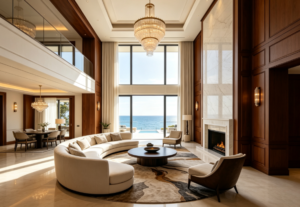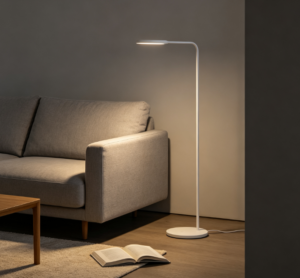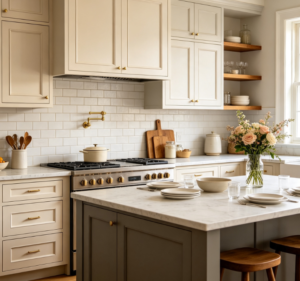
Planning a complete interior project involves much more than choosing furniture or selecting finishes. A residential or commercial project may require design, furniture, lighting, flooring, tiles, marble, doors, windows, bathroom products, kitchen cabinets, and many other interior materials.
Traditionally, project owners may need to contact different suppliers for each category. This can create additional work when it comes to product selection, communication, design coordination, production, delivery, and installation.
A one-stop interior solution brings multiple project requirements together through one coordinated service. Instead of treating every product as a separate purchase, it looks at the interior project as a complete system.
What Does a One-Stop Interior Solution Include?
The exact scope depends on the project, but a complete interior solution can combine design, materials, furniture, customization, and project support.
Design and 3D Design
Design is often the starting point of a complete interior project. Space planning, furniture layouts, materials, colors, and finishes need to work together before products are selected and produced.
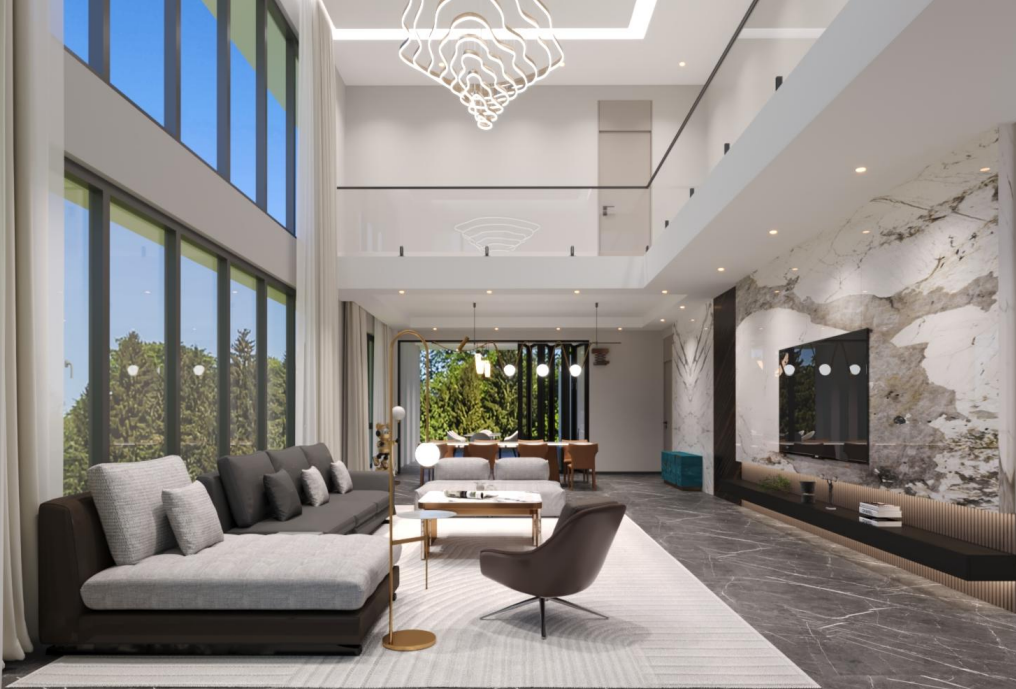
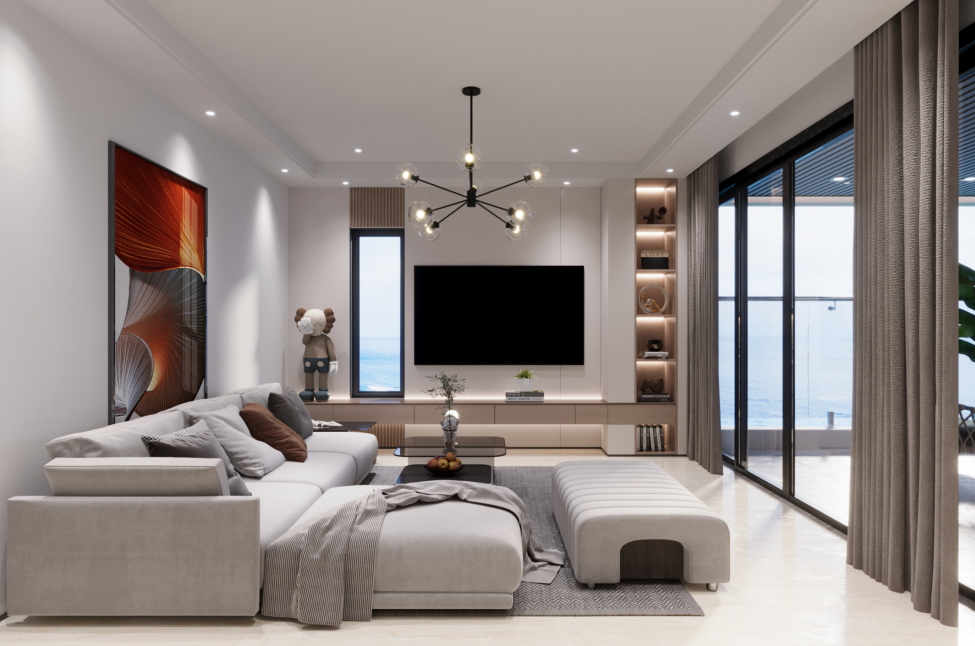
For projects with specific requirements, 3D design can also help clients visualize how different materials and furniture will work within the space.
Furniture and Customization
Furniture is an important part of both residential and commercial interiors. Depending on the project, this can include sofas, beds, dining furniture, wardrobes, tables, chairs, cabinets, and other furnishings.
Custom furniture may also be required when standard sizes or designs do not fit the project. Customization can involve dimensions, materials, finishes, colors, functions, and construction.
Building and Interior Materials
A complete interior project may require many different material categories, including:
- Kitchen cabinets
- Lighting
- Flooring and tiles
- Marble and stone
- Doors
- Windows
- Bathroom solutions
- Other interior materials
Coordinating these categories can help maintain a consistent design throughout the project.
Why Do Complete Projects Need Multiple Interior Solutions?
Different spaces have different functional requirements.
A residential project may include bedrooms, living rooms, kitchens, bathrooms, dining areas, and outdoor spaces. A commercial project could include hotel rooms, offices, restaurants, schools, retail spaces, or other public areas.
Each space may require different products, but they still need to form a coherent interior.
For example, furniture should work with the flooring and lighting. Doors and wall finishes should complement the overall design. Bathroom products need to meet both functional and aesthetic requirements.
This is why a complete interior project often requires coordination between multiple product categories rather than focusing on one product alone.
How Can a One-Stop Solution Simplify an Interior Project?
One of the main advantages of a one-stop approach is project coordination.
When different materials and products are sourced independently, the project owner may need to communicate with multiple suppliers, compare specifications, coordinate production schedules, and manage different delivery arrangements.
A one-stop interior solution can bring more of these requirements together.
Fewer Communication Channels
Instead of discussing every category with a separate supplier, project owners can communicate their overall requirements through one project team.
This can make it easier to confirm specifications, materials, designs, and project changes.
Better Design Coordination
Different products should not be selected independently.
Furniture dimensions can affect space planning. Lighting can influence the appearance of materials. Flooring and doors can affect the overall color and material palette.
Coordinating these elements at the project level can help create a more consistent interior.
More Consistent Project Requirements
Working across multiple suppliers can sometimes result in differences in materials, finishes, specifications, or quality standards.
A coordinated solution allows project requirements to be discussed and managed together, which can help maintain greater consistency across different spaces.
One-Stop Solution vs Sourcing From Multiple Suppliers
Both approaches can be used for interior projects.
Sourcing from multiple suppliers allows a project owner to select different specialists for different categories. However, it also means that the owner or project team takes greater responsibility for coordination.
A one-stop approach places more emphasis on integrating different requirements through a single project partner.
The difference is therefore not simply about the number of suppliers. It is about who coordinates the relationship between design, materials, furniture, production, and project requirements.
For larger or more complex projects, this coordination can become particularly important.
What Types of Projects Can Use a One-Stop Interior Solution?
One-stop interior solutions are not limited to one type of property.
Residential Projects
Homeowners and developers may require coordinated solutions for:
- Villas
- Apartments
- Whole-house interiors
- Residential developments
A residential project may combine kitchen cabinets, furniture, lighting, flooring, doors, windows, marble, bathroom products, and other materials.
Commercial Projects
Commercial interiors can involve even more complex requirements.
Examples include:
- Hotels
- Offices
- Restaurants
- Schools
- Retail spaces
- Other commercial projects
The scale and requirements vary between projects, but the principle remains the same: different products need to work together as part of the overall interior.

What Should You Consider When Choosing a One-Stop Interior Solution Provider?
Not every company offering multiple products provides a genuine one-stop project solution.
Before choosing a project partner, consider several factors.
Product and Material Range
A broader product range can make it easier to coordinate different interior requirements through one source.
Design Capability
The provider should be able to understand the relationship between space planning, furniture, materials, and the overall interior concept.
Customization
Projects often have different dimensions, layouts, and design requirements. The ability to customize products can therefore be important.
Project Experience
Experience with both residential and commercial projects can help a provider understand different project requirements and coordination challenges.
Showroom and Material Selection
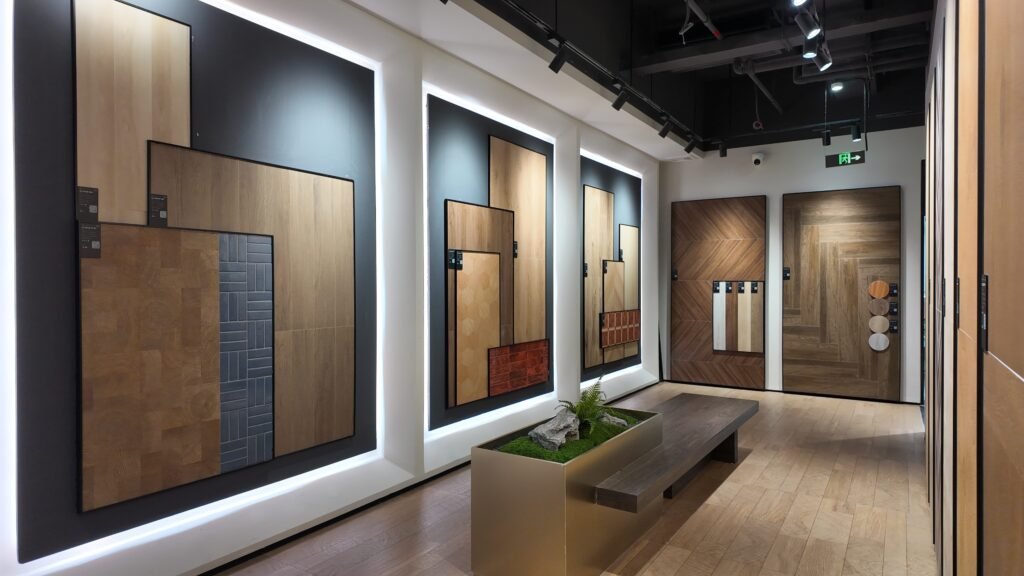
A physical showroom can give clients the opportunity to review furniture, finishes, materials, and combinations before making project decisions.
Project Support
Beyond supplying products, a project partner should be able to communicate requirements, coordinate production, and support the project through the relevant stages.
How George Group Supports Complete Interior Projects
George Group approaches interior projects from a complete-project perspective rather than focusing on a single product category.
With experience in building materials, furniture, and interior solutions, George can support residential and commercial projects with coordinated products and project services.
The scope can include 3D design, furniture, kitchen cabinets, lighting, tiles and flooring, marble and stone, doors, windows, bathroom solutions, and other interior materials, depending on the requirements of each project.
George also provides customization and project coordination, allowing different products and materials to be considered together instead of being treated as completely separate purchases.
With 18+ years of experience, a 30,000 m² showroom and exhibition center, and a wide range of product categories, George Group works with clients on residential and commercial projects in different markets.
The goal is not simply to provide more products. It is to help connect the different parts of an interior project into a coordinated solution.
Conclusion
A one-stop interior solution brings together the different requirements of a complete project, from design and furniture to building materials, customization, and project support.
For residential and commercial projects, this approach can simplify communication, improve coordination, and help different materials and products work together as part of one interior concept.
The value of a one-stop solution is therefore not simply having many products in one place. It is having a project partner that can understand the overall requirement and coordinate the different elements needed to complete the space.
For clients planning a complete interior project, George Group provides building materials and interior solutions across multiple categories, supporting projects from design and product selection through customization and project coordination.