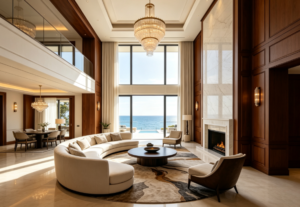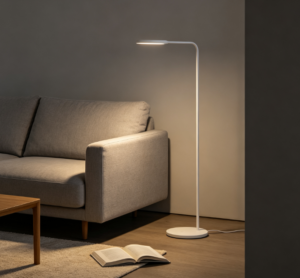
Choosing hotel furniture is not simply about finding attractive tables, beds, sofas, or chairs. For a hotel project, furniture needs to support the overall design concept, guest experience, daily operation, and long-term maintenance of the property.
Whether you are furnishing a boutique hotel, business hotel, resort, apartment hotel, or a larger hospitality project, the right hotel furniture should work as part of the entire interior rather than as a collection of individual products.
For hotel owners, developers, designers, and project procurement teams, several factors should be considered before selecting a hotel furniture supplier.
Start With the Hotel’s Positioning and Design Concept
The first step is to understand what the hotel is trying to communicate.
A luxury hotel may require sophisticated furniture with premium materials and refined details, while a boutique hotel may focus more on distinctive design and a strong visual identity. Business hotels often prioritize functionality and efficient space planning, while resorts may place greater emphasis on comfort, natural materials, and a connection with the surrounding environment.
Furniture should therefore be selected according to the hotel’s:
- Target guests
- Brand positioning
- Interior design style
- Room types
- Public areas
- Functional requirements
- Overall project concept
This is particularly important when purchasing furniture for an entire hotel project. A bedroom may require beds, nightstands, wardrobes, desks, sofas, and chairs, while lobbies, restaurants, meeting areas, and other public spaces may require completely different furniture solutions.
Instead of choosing each item separately, project owners can work with a hotel furniture manufacturer or supplier that can coordinate furniture across different spaces.
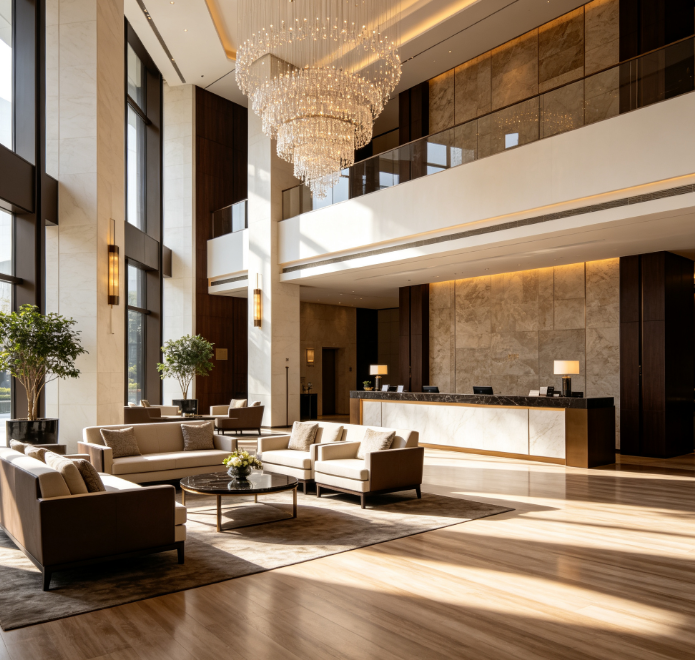
Consider Durability and Daily Hotel Use
Hotel furniture is exposed to considerably more frequent use than furniture in a typical residential environment.
Guest rooms may have occupants changing regularly, while lobby seating, restaurant furniture, desks, wardrobes, and other items can experience continuous use. Materials, hardware, surface finishes, joints, and construction quality therefore have a direct impact on the furniture’s service life.
When evaluating hotel furniture, consider:
- Material quality
- Structural construction
- Hardware and fittings
- Surface durability
- Resistance to everyday wear
- Ease of cleaning and maintenance
- Suitability for commercial use
The appearance of furniture is important, but durability should not be overlooked. A visually attractive product may not necessarily be suitable for a demanding hospitality environment.
For project procurement, it is also useful to evaluate the supplier’s manufacturing capabilities and quality-control process rather than looking at individual furniture pieces alone.
Choose Materials That Match the Project Requirements
Materials influence both the appearance and performance of hotel furniture.
Wood and wood-based materials can create a warm and welcoming atmosphere. Metal can provide a contemporary or industrial character, while stone, glass, fabric, leather, and other finishes can be combined to create different visual effects.
The right choice depends on the space and its intended use.
For example, furniture in guest rooms may prioritize comfort and a residential feeling, while restaurant or lobby furniture may need to withstand heavier traffic and frequent cleaning.
Material selection should also be coordinated with other interior elements. Flooring, doors, wall finishes, lighting, stone, bathroom products, and furniture should create a consistent environment.
This is one reason a broader hotel furniture solution can be more practical than sourcing furniture from many unrelated suppliers.
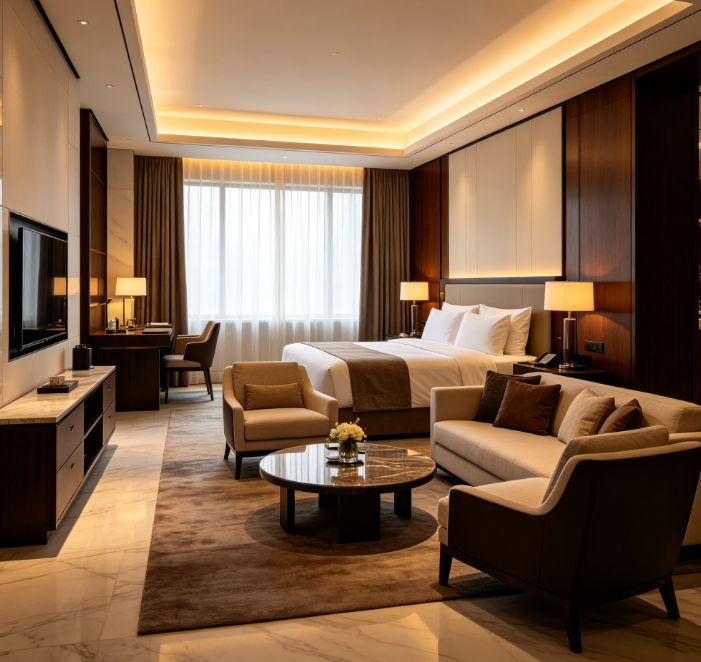
Make Sure the Furniture Fits the Space
Good hotel furniture needs to work within the actual dimensions and layout of the project.
A large bed, wardrobe, sofa, or desk may look impressive in a showroom but become impractical if the room is relatively compact. Public areas have similar requirements. Furniture placement needs to consider circulation, access, functionality, and the relationship between different zones.
For this reason, furniture selection should be connected to the project’s interior layout and design drawings.
A professional furniture supplier should be able to communicate with the project team and adjust furniture specifications according to the actual space rather than simply supplying standard products.
This becomes particularly valuable for hotels with different room types, unusual layouts, or specific design requirements.
Consider Custom Hotel Furniture for Unique Projects
Standard furniture can work for some hotel projects, but customized furniture may be necessary when the design concept requires specific dimensions, materials, finishes, or functions.
Custom hotel furniture can be developed for:
- Guest rooms
- Suites
- Hotel lobbies
- Restaurants
- Bars
- Meeting areas
- Reception areas
- Public lounges
- Other commercial spaces
Customization can help maintain consistency across different areas while allowing the furniture to follow the project’s architectural and interior design requirements.
For example, a hotel may need a particular wardrobe configuration, a specially sized reception counter, a custom headboard, or furniture that integrates storage and lighting.
When considering custom furniture, ask whether the supplier can support the entire process from design development and material selection to production and project delivery.
Look Beyond Individual Products
One of the biggest challenges in hotel furnishing is coordination.
A project may require dozens or even hundreds of furniture items across guest rooms and public areas. If beds, wardrobes, tables, sofas, chairs, and other items are purchased from different suppliers, the project team may need to coordinate multiple quotations, production schedules, quality standards, packaging arrangements, and deliveries.
A hotel furniture supplier that provides a broader project solution can simplify this process.
At George Group, furniture is approached from a project perspective. Rather than focusing only on individual furniture products, George can support clients with furniture selection, customization, design coordination, production, and project-related service.
This approach is particularly relevant for clients furnishing multiple spaces or working on complete hotel projects where consistency and coordination are important.
Check Whether the Supplier Can Support the Entire Project
The capabilities of the supplier can have a major influence on the overall project process.
Before choosing a hotel furniture manufacturer or supplier, consider whether they can support:
- Project-specific furniture requirements
- Custom dimensions and finishes
- Design coordination
- Sample development
- Production
- Quality inspection
- Packaging
- Delivery coordination
- Installation support when required
A supplier with experience in project-based furniture can better understand that the requirement is not simply “buying furniture.” The goal is to deliver furniture that works with the overall project schedule, design, and functional requirements.
This is especially important for overseas hotel projects, where communication and coordination can become more complex.

Think About Furniture as Part of a Complete Interior
Hotel furniture rarely works independently.
A guest room, for example, may include furniture together with flooring, doors, lighting, bathroom products, stone, and other interior materials. These elements need to work together visually and functionally.
This creates an opportunity for project owners to simplify procurement through a one-stop building materials and interior solution.
George Group provides furniture alongside a broader range of interior and building material categories, allowing project clients to coordinate multiple requirements through one experienced supplier.
For projects that require more than furniture alone, this can reduce the need to manage numerous separate sourcing channels and help maintain greater consistency throughout the project.
Consider the Supplier’s Project Experience
A supplier’s previous project experience can provide useful information about whether its capabilities match your requirements.
Instead of looking only at product images, review the types of projects the supplier has worked on. Look for experience with hotels, apartments, offices, restaurants, schools, or other commercial spaces relevant to your project.
It is also useful to visit a physical showroom when possible. Seeing furniture, materials, finishes, and construction details in person can make it easier to evaluate quality and understand available customization options.
George Group has an extensive showroom and exhibition center where clients can explore different furniture and interior material applications. For overseas clients, showroom visits can also provide an opportunity to discuss project requirements and review potential combinations of products and finishes.
Plan for Long-Term Maintenance
Furniture selection should also consider what happens after installation.
Hotel furniture will eventually require cleaning, maintenance, repairs, or replacement. Furniture with practical materials and durable construction can make daily maintenance easier for hotel operators.
It is therefore useful to discuss maintenance requirements and replacement options with the supplier before placing a project order.
For larger hotel projects, consistent specifications are also valuable. If additional furniture is required later, having clear records of materials, finishes, dimensions, and production specifications can make future replacement or expansion easier.
Choose a Hotel Furniture Partner Based on the Project
The right hotel furniture supplier should be evaluated not only by the products they offer, but also by their ability to understand and support the entire project.
For hotel owners, developers, designers, and procurement teams, it is important to consider furniture quality, durability, design consistency, customization, space requirements, production capabilities, and project support before making a decision.
Conclusion
Choosing hotel furniture is an important part of creating a functional, comfortable, and consistent hospitality environment. The right furniture should complement the hotel’s design concept, withstand daily commercial use, fit the available space, and meet the specific requirements of the project.
For projects that involve multiple spaces or require customized furniture, working with an experienced hotel furniture manufacturer and supplier can simplify sourcing and improve coordination across the project.
George Group provides customized furniture and one-stop interior solutions for residential and commercial projects, supporting clients with furniture selection, design coordination, customization, production, and project-related services.
Whether you are furnishing a boutique hotel, resort, business hotel, or another hospitality project, selecting a supplier based on both furniture quality and overall project capability can help create a more consistent and practical result.